Balancing Quality and Speed in Team Deliverables
8 August 2026
Deliverables are the lifeblood of any business. Whether it's a software update, a marketing campaign, or a new product launch, teams constantly face the challenge of delivering high-quality work at speed. But here’s the catch—focusing too much on speed can compromise quality, while prioritizing quality too much can slow down progress. So, how do you strike the perfect balance?

Why Quality vs. Speed Is a Constant Struggle
In an ideal world, every project would be perfect and delivered on time. But in reality, businesses operate under tight deadlines, and perfection isn't always feasible. Teams often find themselves in a tug-of-war between producing top-tier results and meeting fast-approaching deadlines.Let’s be honest—no one wants to receive a rushed, half-baked product. At the same time, taking forever to deliver something polished doesn't make sense in today’s fast-paced market. Customers expect efficiency and excellence, and businesses that fail in either department risk losing their competitive edge.

The Impact of Favoring One Over the Other
When Speed Takes Priority Over Quality
Speed is exhilarating. It keeps teams agile, allows companies to stay ahead of the competition, and ensures quick market responses. But when speed overshadows quality, problems arise:- Increased Errors: Rushing through a project often leads to mistakes that cost time and money to fix later.
- Customer Dissatisfaction: A sloppy product or service can lead to negative reviews and lost trust.
- Burnout: Team members who work under unrelenting pressure to deliver quickly may experience stress and exhaustion.
Think of it as fast food—quick, cheap, and convenient, but not always satisfying or nutritious. Sure, you get something fast, but at what cost?
When Quality Overshadows Speed
On the flip side, prioritizing quality at all costs can slow things to a crawl. While high standards are crucial, an obsession with perfection can create bottlenecks:- Missed Opportunities: Delayed projects can mean losing ground to competitors who act faster.
- Higher Costs: Time is money, and excessive fine-tuning drains resources.
- Frustrated Stakeholders: Clients and managers expect deliverables in a reasonable time frame, not when they’re absolutely flawless.
Imagine a luxury car manufacturer spending years perfecting a single model. By the time they launch, the market might have moved on to electric or autonomous vehicles.
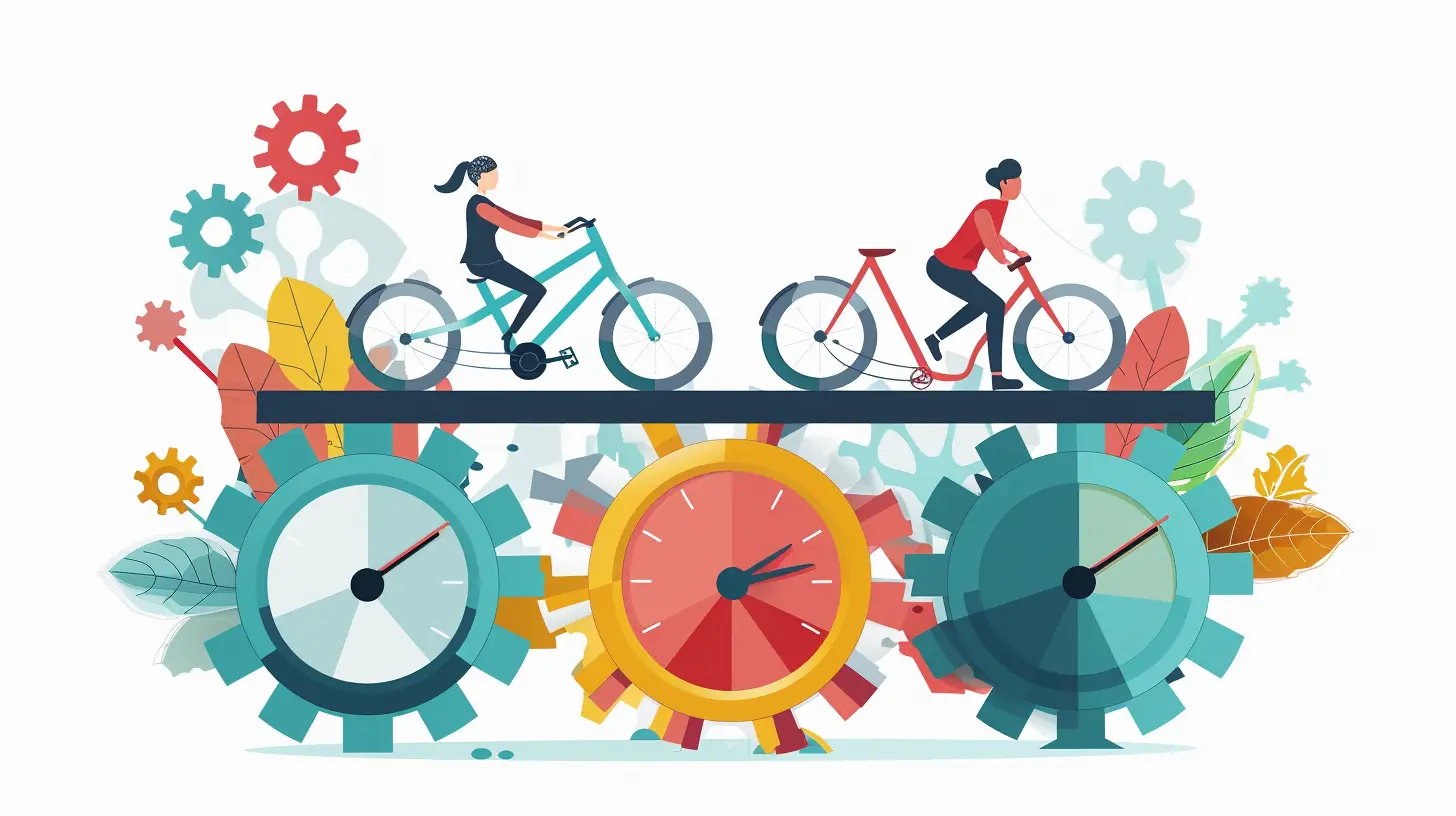
Key Strategies to Balance Quality and Speed
Finding the right balance requires a smart approach. Here are proven strategies to help teams deliver high-quality work without dragging their feet.1. Define "Good Enough" Standards
Perfection is an illusion. Instead of chasing it, set clear quality benchmarks that deliver value without unnecessary delays. What does "good enough" look like for your project? Establishing these criteria helps keep standards high without overcomplicating things.2. Prioritize Tasks with the 80/20 Rule
The Pareto Principle (80/20 rule) states that 80% of results come from 20% of efforts. Identify the most impactful tasks and focus on those. This prevents teams from wasting time on minor details that don't significantly enhance the final deliverable.3. Embrace Agile Methodologies
Agile teams work in short iterations, delivering functional components quickly while refining them over time. This approach ensures continuous improvement without hindering progress. Rather than aiming for one perfect release, focus on iterative improvements.4. Leverage Automation and Technology
Manual processes slow things down. Automate repetitive tasks where possible—whether it's testing code, generating reports, or managing workflows. The right tech tools can dramatically improve efficiency while maintaining quality.5. Encourage Cross-Functional Collaboration
Quality control isn’t just one team’s responsibility. When different departments collaborate early in the process (instead of working in silos), mistakes are caught faster, and solutions are implemented more efficiently.6. Build a Culture of Accountability
A strong team culture ensures that speed doesn't come at the cost of quality (or vice versa). Everyone should take responsibility for delivering their best work within a reasonable time frame. Encourage open communication, constructive feedback, and shared ownership of deliverables.7. Set Realistic Deadlines
Unrealistic deadlines force teams to cut corners, while overly generous timelines breed complacency. Work with stakeholders to establish achievable deadlines that challenge teams without setting them up for failure.8. Use MVPs (Minimum Viable Products)
Instead of waiting until every detail is perfect, launch a minimum viable product (MVP). This allows teams to gain feedback and make improvements while maintaining momentum. Tech companies like Tesla and Apple frequently use this strategy for product development.9. Create a Feedback Loop
Encourage continuous feedback from customers, stakeholders, and team members. By refining processes based on real input, teams can improve quality over time without unnecessary delays.10. Monitor Performance Metrics
Establish measurable KPIs (Key Performance Indicators) to track both quality and speed. Whether it’s customer satisfaction scores, product defect rates, or turnaround times, data-driven insights help teams adjust their strategies effectively.
Real-World Examples of Quality-Speed Balance
Some companies have mastered the art of balancing quality and speed. Here are a few examples:- Amazon: Known for rapid product and service rollouts while ensuring high customer satisfaction.
- Tesla: Releases vehicle software updates quickly and refines them over time based on driver feedback.
- Apple: Launches high-quality products on a predictable schedule without unnecessary delays.
What do these companies have in common? They prioritize efficiency and innovation while maintaining a firm grip on quality standards.
The Bottom Line
Balancing quality and speed isn’t about choosing one over the other—it’s about finding the sweet spot where both coexist. By implementing smart strategies, fostering collaboration, and leveraging technology, teams can produce outstanding work without unnecessary delays.So, the next time your team faces the speed-versus-quality dilemma, remember: It’s not about being fast or perfect. It’s about being efficient and excellent.
all images in this post were generated using AI tools
Category:
Workplace ProductivityAuthor:

Ian Stone