Breaking Down Silos: How Integrated Data Improves Business Analytics
20 February 2026
Let’s face it—data is all around us. We’re swimming in facts, figures, charts, metrics, and KPIs. But here’s the kicker: it doesn’t matter how much data your business collects if it’s all locked away in separate corners of the organization. Silos aren't just a farming term anymore. In the business world, they’re one of the biggest blockers to using data effectively.
Imagine trying to solve a puzzle, but every piece is stored in a different room. You’d spend more time finding the pieces than actually putting them together. That’s exactly what it’s like when your data is siloed across departments. Now, flip that on its head—what if all the puzzle pieces were in one place, neatly organized and easy to access? That’s the beauty of integrated data. Let’s break it down and see how tearing down silos is the key to unlocking the full power of business analytics.
What Are Data Silos, Anyway?
Before we get ahead of ourselves, let’s define what we’re dealing with.A data silo is when data is isolated within one department or system and isn’t easily accessible by others in the organization. Think about marketing and sales using different tools, or HR and finance each hoarding their own sets of data. These silos can be both technical (like incompatible systems) and cultural (like teams not sharing information).
Sound familiar? Most companies—especially larger ones—deal with this problem in one way or another.
Why Data Silos Happen
You might be wondering, “Why do we even have silos in the first place?” Good question.Here are a few common reasons:
- Different Tools and Platforms: Each department picks its own software based on its specific needs. HR loves Workday, sales swears by Salesforce, and marketing is cozy with HubSpot.
- Lack of Communication: Teams often focus on their own goals and don’t always think about the bigger picture.
- Organizational Structure: Bigger companies tend to have rigid hierarchies, which naturally leads to isolated data practices.
- Security Concerns: Sometimes departments restrict access to sensitive information for compliance or regulatory reasons.
While these reasons aren’t always bad, they create a fragmented data environment. And that’s where the real problems start.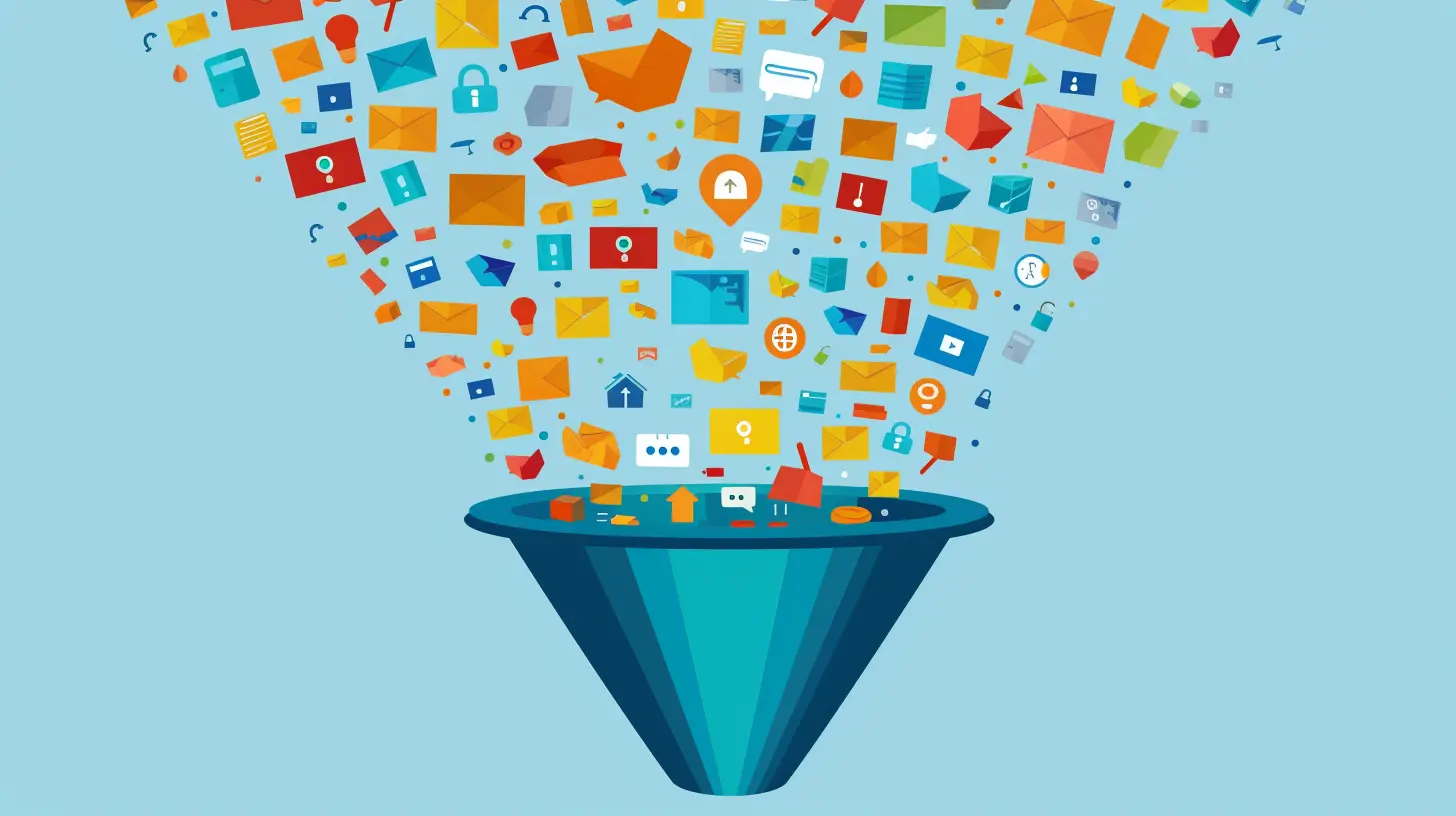
The Ripple Effect of Siloed Data
When your data is scattered across different departments, platforms, and formats, you're setting yourself up for a rough ride. Here’s how data silos quietly sabotage your business:- Inconsistent Reporting: Marketing says one thing, sales says another, and finance has a completely different version of reality. Who do you believe?
- Slower Decision-Making: If it takes hours or days to pull together reports from different systems, you’re missing windows of opportunity.
- Wasted Resources: Duplicate data collection, redundant tools, and overlapping tasks—it adds up fast.
- Poor Customer Experience: If support doesn’t know what sales or marketing promised, your customers feel the disconnect.
In short, silos slow you down and make you less efficient. No business wants that.
What Is Integrated Data?
Now that we’ve talked about the problem, let’s focus on the solution—integrated data.Integrated data is like a central nervous system for your business. It brings together data from multiple sources into one, unified system. Everyone—from the intern to the CEO—can access consistent, real-time information.
It’s not just about housing data in one place, though. It’s about connecting the dots so the data becomes more meaningful, more actionable, and more valuable.
Benefits of Integrated Data in Business Analytics
Pulling down those silos and connecting your data sources can supercharge your analytics. Here’s how:1. Faster, Smarter Decision-Making
Imagine having a dashboard that shows you the full picture: marketing performance, sales results, financial forecasts, and customer feedback—all in one view. That’s the power of integrated data.No more toggling between apps or manually combining spreadsheets. With real-time insights, you can act fast and pivot when needed.
2. Stronger Collaboration
When everyone’s working from the same data, teamwork becomes streamlined. Marketing can align better with sales, finance can plan more accurately with operations, and customer service can anticipate needs based on previous interactions.It builds trust. And let’s be honest—data disputes are exhausting.
3. Improved Customer Experience
Integrated data helps you understand your customers from every angle: what they’re buying, how they’re engaging, where they’re dropping off, and how they’re feeling. It’s the secret sauce to personalized, seamless experiences.Think of it like this—if a customer calls support, the agent should know what emails they’ve received, what products they own, and what issues they’ve had before. That’s only possible with integrated data.
4. More Accurate Forecasting
Want to predict future trends or demand? You’ve got to have the full story. Integrated data allows you to spot patterns and correlations that scattered data simply can’t reveal.It’s like trying to predict the weather with just a thermometer. You need satellite images, barometric pressure, humidity levels—the whole nine yards.
5. Reduced Redundancy and Costs
When data is centralized, you avoid duplicate entries, inconsistencies, and unnecessary tools. That means less time cleaning data and more time using it strategically.And yes, that means you save money, too—both in tools and manpower.
How to Start Breaking Down Silos
Let’s be real: this doesn’t happen overnight. But every step toward integration brings you closer to data harmony. Here’s how to get started:Step 1: Conduct a Data Audit
First, take stock. What data do you have? Where is it stored? Who owns it? How often is it updated? This helps you identify where the biggest silos exist and what needs fixing first.Step 2: Choose Integration-Friendly Tools
Look for platforms and tools that “play nice” with others. Cloud-based systems, APIs, and data warehouses like Snowflake, Google BigQuery, or Amazon Redshift make integration much easier.Bonus points if your tools have pre-built connectors to popular CRM, ERP, and marketing platforms.
Step 3: Prioritize Collaboration
This one’s about people, not platforms. Encourage interdepartmental communication and set shared goals. Maybe even create a cross-functional data team to oversee integration efforts.When teams talk to each other, data flows better.
Step 4: Implement a Data Governance Framework
With great data comes great responsibility. Define who can access what, outline data quality standards, and set policies to keep everything in check. This makes your integrated system sustainable in the long run.Step 5: Don’t Forget Training
A powerful analytics platform is only as good as the people using it. Make sure your teams understand how to access, interpret, and act on integrated data.Training empowers your staff and prevents data from becoming a black box.
Real-World Example: Netflix
Let’s take a look at how integrated data works in the wild.Netflix is a data powerhouse. They track every click, scroll, pause, and replay from millions of users worldwide. But it’s not just about storing that info—it’s about connecting the dots.
Their recommendation engine pulls in viewing history (content), user feedback (support), behavioral analytics (product), and demographic info (marketing) to create an eerily accurate “You might like…” list.
That kind of predictive power is only possible with tightly integrated data systems.
Common Pitfalls to Watch Out For
While integrated data has major perks, it’s not without its challenges. Here are some pitfalls to avoid:- Jumping in Without a Plan: Integration without strategy leads to chaos. Start with clear goals.
- Neglecting Data Quality: Garbage in, garbage out. Keep your data clean and consistent.
- Overlooking Security: More access shouldn’t mean less control. Protect sensitive data.
- Forgetting the People Side: Change is hard—especially when it comes to data habits. Bring your team along for the ride.
Future-Proofing Your Analytics Strategy
As technology evolves, so will your data needs. Future-proofing your analytics means building a flexible, scalable data infrastructure that can grow with your business.Integrated data isn’t just a one-time project—it’s a mindset. It’s about continuously connecting, optimizing, and learning. The more unified your data becomes, the more powerful your analytics will be—and the edge over your competition gets sharper by the day.
Final Thoughts
So there you have it. Breaking down silos isn’t just a technical goal—it’s a transformational one. Integrated data gives your business the clarity, agility, and insight it needs to thrive in a fast-paced, data-driven world.It’s not always easy, but it’s always worth it.
If you've been dealing with conflicting reports, slow decisions, or misaligned teams, it might be time to ask: how integrated is your data? And more importantly—what could your business achieve if it were?
all images in this post were generated using AI tools
Category:
Business AnalyticsAuthor:

Ian Stone
Discussion
rate this article
2 comments
Holly Thompson
Integrating data across silos not only enhances analytics but fosters collaboration and innovation. By breaking down barriers, organizations can unlock deeper insights and drive informed decision-making. Embracing this holistic approach is essential for staying competitive in today’s data-driven landscape, ultimately shaping a more resilient business strategy.
March 20, 2026 at 1:07 PM
Ian Stone
Absolutely! Integrating data across silos is crucial for unlocking insights and fostering collaboration, enabling businesses to make informed decisions and stay competitive in a data-driven world. Thank you for highlighting this essential aspect!
Alvin McQuade
Great insights! Integrated data truly transforms business analytics.
February 26, 2026 at 3:48 AM
Ian Stone
Thank you! I'm glad you found the insights valuable. Integrated data is indeed a game changer for analytics!