Cross-Border E-Commerce: Expanding Your Reach Globally
18 February 2026
Okay, let’s be honest. If you’re running an e-commerce business and haven’t started selling globally, you’re leaving money on the table. Think about it – there are over 8 billion people on the planet, and chances are, a good chunk of them want what you're selling. But tapping into the international market isn’t just about slapping “Ships Worldwide” on your website. It’s a slightly more complex puzzle, but one that’s worth solving. So sit back, grab a coffee, and let’s dive into the thrilling world of cross-border e-commerce. 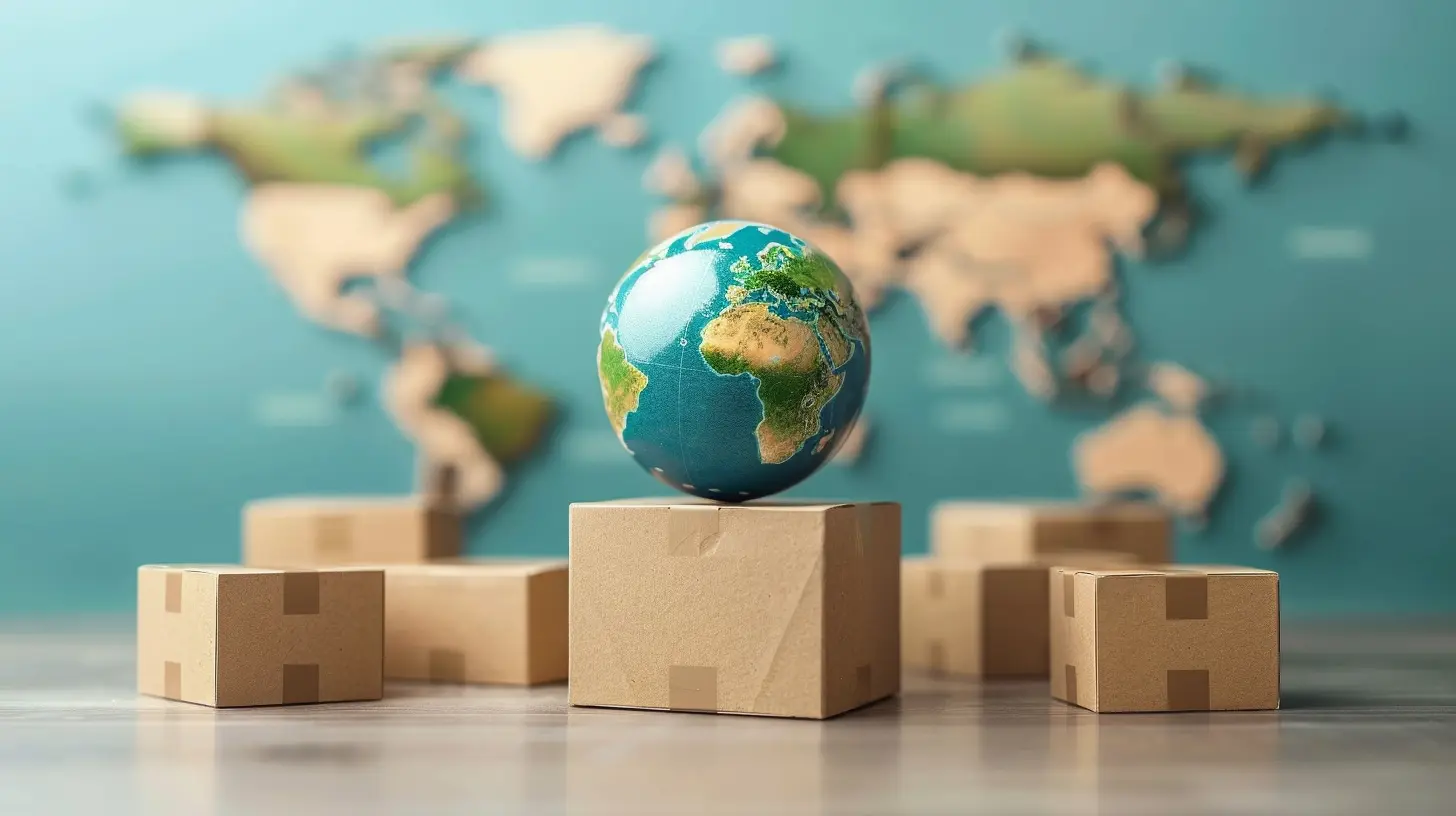
What Exactly Is Cross-Border E-Commerce?
Let’s break it down. Cross-border e-commerce is, in simple terms, selling products or services to customers in other countries. It could be a business in the U.S. selling trendy t-shirts to fashionistas in Tokyo or a startup in Italy shipping handmade pottery to art lovers in Australia.This isn’t some futuristic trend, either. The global e-commerce market is booming. In fact, global e-commerce sales are projected to surpass $7 trillion by 2025. Yep, trillion with a "T". And here’s the kicker: a significant chunk of that growth is driven by cross-border transactions.
The takeaway? Going global isn’t just an option anymore; it’s becoming a necessity if you want to stay competitive. 
Why Should You Care About Cross-Border E-Commerce?
I get it. Running an e-commerce store is already a juggling act, so why add “global expansion” to your plate? Here are some compelling reasons to think about:1. Access to a Larger Customer Base
When you limit yourself to only one country, you’re playing small. Imagine the untapped potential of reaching millions (or billions) of international customers. It’s like opening a restaurant and only serving one neighborhood when there’s a whole city hungry for your food.2. Diversify Your Revenue Streams
Ever heard the phrase, “Don’t put all your eggs in one basket?” If your current market takes a downturn (recession, economic instability, etc.), having customers across multiple countries could save your business from sinking. Different regions, different economies—it’s like having backup plans in place.3. Capitalize on Global Trends
Certain products might not be trending in your home country, but they’re all the rage abroad. By going international, you can ride global waves of demand and maximize your sales.4. Build a Brand on a Global Scale
Expanding globally positions your brand as more than just a local player. It cements your name as an international competitor. Think of brands like Amazon or Shopify—they’re household names globally because they’ve embraced cross-border e-commerce in its full glory.
Challenges? Yeah, But We’ve Got Solutions
Of course, going global isn’t all sunshine and rainbows. There are real challenges, but nothing a little preparation can’t handle. Let’s tackle them head-on:1. Shipping and Logistics
Shipping internationally can feel like trying to solve a Rubik’s Cube blindfolded. It’s tricky, but not impossible. Partner with reliable logistics providers (DHL, FedEx, or UPS) who specialize in global shipping. Bonus tip: Offer multiple shipping options, from express deliveries to budget-friendly ones.2. Currency and Payment Gateways
Imagine if a customer from France can’t pay in Euros, or someone in Japan can’t use their preferred payment gateway. That’s a sale you just lost. Use platforms like PayPal, Stripe, or Adyen to simplify cross-border transactions and offer diverse payment options.3. Language Barriers
Ever tried navigating a website written in a language you don’t understand? Frustrating, right? Use language translation tools or hire professionals to ensure your site speaks the language of your target audience. Pro Tip: Translation isn’t just about words—it’s about cultural nuances too.4. Taxes and Duties
If the word “tax” makes you cringe, you’re not alone. Understanding import taxes, customs duties, and VAT (Value-Added Tax) in different countries is crucial. Shopify and WooCommerce, for instance, have built-in tools to calculate taxes for cross-border sellers. Knowledge is power, my friend.5. Customer Trust
Selling globally means building trust with customers who’ve never heard of your brand. Highlight trust signals—reviews, testimonials, secure payment badges, and clear return policies. It puts hesitant buyers at ease.
Best Practices for a Winning Cross-Border Strategy
Okay, so now you’re pumped to take your e-commerce business global. But how do you actually pull it off? Let’s dig into some best practices:1. Start Small, Stay Smart
Don’t try to conquer the entire world at once. Focus on one or two key markets where you see demand for your products. Use tools like Google Analytics to identify where your current traffic is coming from—it’s a hint about where your potential customers might be located.2. Leverage Local Marketplaces
Sometimes selling directly on your website isn’t the best way to start. Platforms like Amazon, eBay, Rakuten, or Alibaba already have established audiences in different countries. Use these marketplaces to get your foot in the door, then branch out from there.3. Optimize for Mobile
Newsflash: A huge percentage of online shoppers globally shop on their phones. If your site isn’t mobile-optimized, you’re going to lose potential sales. Think fast loading times, easy navigation, and a seamless checkout process.4. Get Smart About Marketing
Marketing to customers in different countries requires a shift in strategy. What works in the U.S. might not resonate in India or Germany. Use localized ads, tweak your messaging for cultural relevance, and consider working with influencers who have sway in specific regions.5. Simplify Returns
Returns are part of the game in e-commerce. The simpler and more hassle-free your return policy is, the more comfortable international buyers will feel about purchasing from you. Yes, it’s an extra layer of complexity, but it’s worth it for the trust it builds.The Role of Technology in Cross-Border E-Commerce
Let’s not forget: Technology is your best friend when it comes to global e-commerce success. From AI-powered chatbots that can answer customer queries 24/7 (in different languages, mind you) to inventory software that tracks your stock across regions, tech is here to make your life infinitely easier.Platforms like Shopify Plus and BigCommerce are built for scaling globally. They handle things like multi-currency support, localized checkout, and even region-specific SEO. Speaking of which...
SEO Tips for Cross-Border Success
Let’s talk about the elephant in the room: SEO. Selling globally means your website needs to show up in global search results, and that requires some specific strategies:- Use hreflang Tags: These tags tell search engines which language and region your pages are targeting. It’s like giving Google a map to your content.
- Target Local Keywords: What people search for in one country might differ from another, even if they're looking for the same product. Use tools like Ahrefs or SEMrush to dig into local keyword research.
- Optimize for Local Search Engines: Remember, Google isn’t the only search engine. If you’re targeting China, for instance, you’ll want to optimize for Baidu.
- Fast Loading Times: International visitors might experience slower loading times if your servers are based in one location. Use a Content Delivery Network (CDN) to speed things up globally.
Is It Really Worth It?
100%. Sure, expanding into cross-border e-commerce can feel overwhelming. But the rewards—higher revenue, a stronger brand presence, and diversified income streams—are absolutely worth the effort. Think of it like planting seeds in a new garden. It takes time, care, and attention, but the harvest? Totally worth it.So, are you ready to take the leap? The world is out there, waiting to buy what you’re selling.
all images in this post were generated using AI tools
Category:
E CommerceAuthor:

Ian Stone
Discussion
rate this article
2 comments
June McGhee
Embrace the global marketplace—innovation and adaptability are your keys to unstoppable cross-border e-commerce success!
March 15, 2026 at 3:34 AM
Ian Stone
Absolutely, embracing innovation and adaptability is crucial for thriving in the global e-commerce landscape. Let's keep pushing boundaries!
Trixie Myers
Think global, act local.
February 24, 2026 at 5:05 AM
Ian Stone
Absolutely! Embracing a global perspective while tailoring strategies to local markets is key to successful cross-border e-commerce.