Elevating Your CSR: Understanding the Importance of Corporate Philanthropy
3 April 2026
Corporate Social Responsibility (CSR) isn’t just a buzzword anymore—it’s the heart of modern business strategy. Companies across the globe are redefining their purpose, not just to generate profit but to make a positive impact. And right at the center of this movement? Corporate philanthropy.
So, if your organization isn't tapping into the power of giving back, you're not just missing an opportunity—you might be falling behind. Let’s dive deep into why elevating your CSR through philanthropic efforts matters more than ever.
What Is Corporate Philanthropy Anyway?
Okay, let’s break it down. Corporate philanthropy is when businesses give back to society. This could be in the form of donating money, resources, or employee time to charitable causes.Think of it as a company’s way of saying, “Hey, we care about more than profits—we care about people, too.”
It could involve anything from hosting fundraising events and setting up scholarships to partnering with nonprofits or launching community outreach programs. The key ingredient? Genuine impact over flashy PR.
Why Should You Even Care About Corporate Philanthropy?
Let’s be real for a second—businesses have power. With that power comes responsibility. Sounds like a superhero movie, right? But it’s true.Here’s why corporate philanthropy should matter to you:
1. It Builds Unshakable Brand Loyalty
Consumers today are choosier than ever. They’re not just buying what you sell—they’re buying what you stand for.When a company consistently shows up for its community, customers take note. They remember brands that care, and they reward them with loyalty.
Think of brands like Patagonia or Ben & Jerry’s. Their philanthropic efforts aren’t side projects—they're baked into their identity. And guess what? People love it.
2. It Supercharges Employee Engagement
Want happier, more engaged employees? Let them get involved in something meaningful.Corporate philanthropy gives your team a chance to step outside the daily grind and make a difference. Volunteer days, matching donations, or social impact projects—they all offer employees a sense of purpose.
And when people find purpose at work? Productivity and satisfaction soar.
3. It Sets You Apart From Competitors
Let’s face it: Most markets are crowded. Corporate philanthropy gives you a distinct edge—a reason for customers and employees to choose you over the competition.When two companies offer similar products, but one is committed to supporting local communities or environmental initiatives, which one would you pick?
The answer’s obvious.
4. It Drives Positive Press (The Right Kind)
Sure, philanthropy shouldn’t be about publicity. But if you’re doing amazing work, why not let people know?Media outlets love feel-good stories. A strong philanthropic initiative can earn your business organic media coverage, boosting your visibility and reputation.
Plus, it shows stakeholders you’re not just talking the talk—you’re walking it too.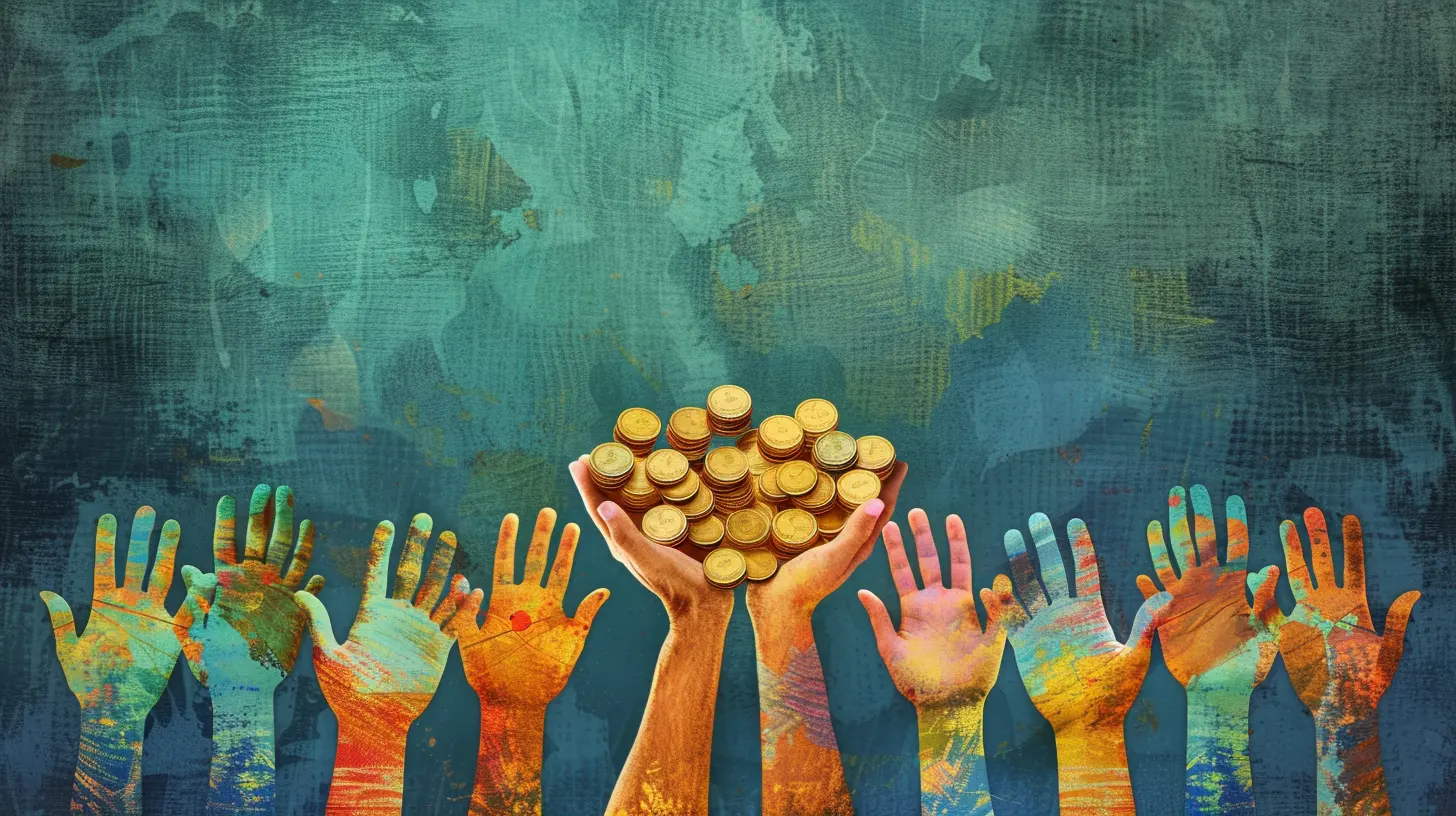
The Evolution of CSR: Why It’s No Longer Just a Checklist
Back in the day, CSR was often treated like a side hustle—something companies did to check a box or polish their image. But times have changed.Now, CSR is about aligning your core business goals with social good. That’s where corporate philanthropy levels up the game.
It’s not an expense; it’s an investment.
And this shift means every donation, every volunteer hour, every social good campaign should reflect your company’s mission and values.
Ask yourself: Is your philanthropy purposeful or performative?
Real Talk: How to Build a Philanthropy Strategy That Actually Works
Alright, let’s get tactical. Throwing money at causes might feel good—but without a game plan, it won’t move the needle.Let’s walk through how to create a corporate philanthropy strategy that’s smart, impactful, and sustainable.
Step 1: Align With Your Mission
Start by identifying causes that connect with your brand values. For example, a food company supporting hunger relief or a tech firm investing in digital literacy programs makes a lot of sense.This alignment creates authenticity. People will see your giving as a natural extension of your mission—not just a marketing stunt.
Step 2: Get Employee Buy-In
Philanthropy isn’t a top-down thing. Some of the best ideas come from within your team.Create opportunities for employees to suggest causes they care about. Build cross-functional committees. Encourage volunteerism. When your team feels included, they’re more likely to participate—and to champion the cause.
Step 3: Partner With the Right Organizations
Choosing the right nonprofit partners is critical. Look for organizations with a strong track record, transparent operations, and a mission that aligns with yours.Think of it like dating—you want shared goals, open communication, and a genuine connection.
Step 4: Measure What Matters
Impact isn’t just about how much you give—it’s about what changes because you gave.Set clear KPIs. Track the number of volunteer hours, dollars donated, lives impacted. Share these insights internally and externally. Transparency builds trust.
Step 5: Tell Your Story (The Right Way)
Storytelling is powerful. Share your impact through blogs, social media, or annual reports. But make it real—avoid overhyping or making it all about your company.Put the spotlight on the cause and the people whose lives are being changed.
Examples of Corporate Philanthropy That Hit the Mark
Looking for inspiration? These companies nailed it:Google: Making Tech Accessible
Google.org has donated millions to nonprofits focused on digital literacy, racial justice, and crisis response. But what stands out is how they use their strength—technology—to empower others.From free tools for small businesses to providing internet access in under-served areas, Google keeps it on-brand while doing good.
Salesforce: Volunteering With Purpose
Salesforce’s 1-1-1 model donates 1% of products, 1% of equity, and 1% of employee time to nonprofit causes. Employees are encouraged to volunteer, and their contributions are celebrated across the organization.It’s philanthropy with intention—and major impact.
TOMS: A Brand Built on Giving
TOMS started with a promise: one pair of shoes donated for every pair sold. While the model has evolved, their commitment to social good remains front and center.Their story is proof that philanthropy can be a business model—not just a line item.
The Hidden ROI of Giving Back
Sure, philanthropy isn’t always about returns. But let’s be honest—there’s a lot your business gets from giving, including:- Improved brand trust
- Enhanced employee retention
- Stronger community relationships
- Potential tax benefits
- Better investor confidence
Giving back feeds into a virtuous cycle. The more good you do, the stronger your reputation. And that opens doors—new markets, partnerships, even talent acquisition.
You get the idea.
Small Businesses Can Make Big Impact Too
Think corporate philanthropy is just for the big guys? Nope.You don’t need a billion-dollar budget to make a difference. Host a local food drive, sponsor a youth program, match employee donations, or donate a portion of sales to a local cause.
Sometimes, small-scale efforts have the biggest heart—and people feel that.
Plus, local communities often remember and support the businesses that support them. It’s a total win-win.
Future-Proofing Your Business With Purpose
The next generation of consumers and employees? They care deeply about social impact.Millennials and Gen Z are driving a new wave of conscious capitalism. They want to buy from, work for, and invest in companies making a difference.
If your business doesn’t get onboard, you risk losing relevance and connection.
So, future-proof your brand by embedding philanthropy into your DNA. Not as a side project—but as a core value.
Final Thoughts: Turn Good Intentions Into Real Impact
Corporate philanthropy isn’t just about writing checks. It’s about showing up—for your community, your employees, the planet.If you truly want to elevate your CSR, start thinking long-term. Think impact over image. And most importantly, think human.
Because at the end of the day, good business is about doing good.
all images in this post were generated using AI tools
Category:
Corporate Social ResponsibilityAuthor:

Ian Stone
Discussion
rate this article
2 comments
Preston Hill
Corporate philanthropy isn't just a nice-to-have; it's a business imperative. Elevate your CSR by investing in meaningful causes. Authenticity drives loyalty and sets you apart.
April 20, 2026 at 10:43 AM
Ian Stone
Absolutely, authentic corporate philanthropy not only strengthens community ties but also builds lasting loyalty. It's essential for long-term success and differentiation in today's market.
Tamara Hodge
Great insights! Embracing corporate philanthropy not only benefits communities but also strengthens a company's brand and employee morale.
April 4, 2026 at 11:38 AM
Ian Stone
Thank you! I appreciate your feedback. Corporate philanthropy indeed creates a win-win for both communities and businesses.