How Mobile UX Will Evolve by 2026
23 April 2026
Let’s take a moment to think about our mobile devices. Remember when they were just for calling and texting? Fast forward to today, and our smartphones have turned into mini-computers that hold our entire lives. With the rapid pace of technology, it’s hard not to wonder: how will mobile user experience (UX) evolve by 2026?
In this article, we’re diving deep into the future of mobile UX. We’ll explore trends and predictions that could shape how we interact with our devices. By the end, you'll have a solid understanding of what to expect and how to prepare for these changes. So, grab your phone, and let’s get started!

The Current State of Mobile UX
Before we can look ahead, let's take a quick glance back at where we are now. The mobile UX landscape has developed significantly over the past few years.Design Principles That Matter
Currently, mobile UX focuses on three main principles:1. Simplicity: Users want straightforward experiences. If an app is cluttered, they're likely to ditch it faster than you can say "uninstall."
2. Speed: In this fast-paced world, nobody likes waiting. Apps that load slowly or take too long to navigate can be a dealbreaker.
3. Personalization: Users expect their apps to cater to their preferences. Think about how Netflix suggests shows based on what you’ve watched. That’s the kind of tailored experience users crave.

The Rise of AI and Machine Learning
As we gaze into the crystal ball of mobile UX evolution, one trend stands out: the rise of Artificial Intelligence (AI) and Machine Learning (ML).Predictive Personalization
By 2026, AI will be at the forefront of mobile UX evolution. Imagine this: your device knows you so well that it can predict what you want even before you do! Whether it’s suggesting the best time to schedule a call or curating content based on your mood, AI will create hyper-personalized experiences.Voice and Conversational Interfaces
Voice technology is already making waves, but by 2026, it will likely be the norm. Imagine having a chat with your phone, getting answers without lifting a finger. Conversational interfaces will become more sophisticated, allowing for nuanced dialogues. It’s like having a personal assistant at your beck and call—minus the hefty salary.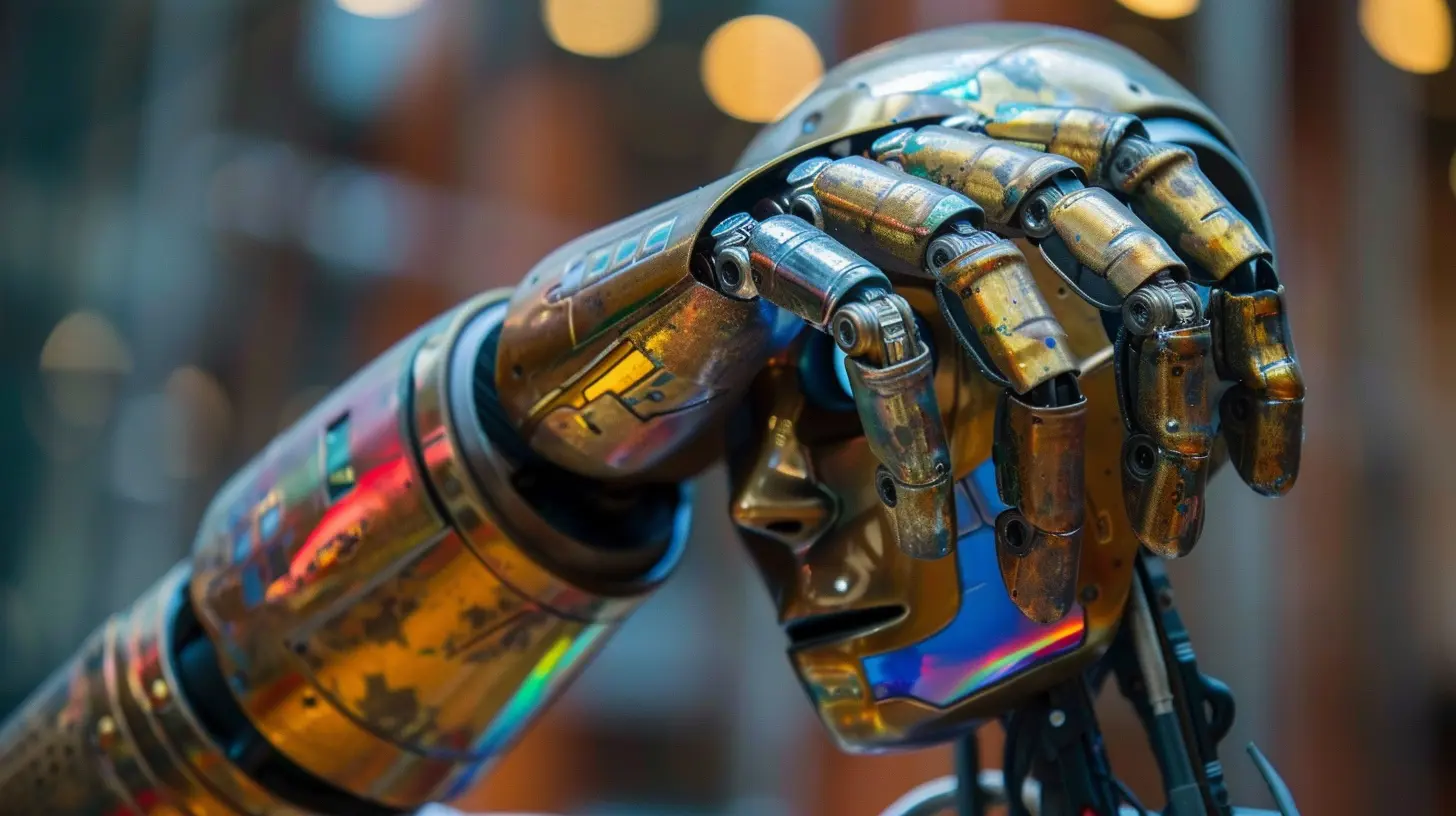
Augmented Reality (AR) and Virtual Reality (VR)
AR and VR are no longer confined to gaming or high-tech niches. They’re seeping into mobile UX in ways we could only dream of a few years ago.Enhanced Shopping Experiences
Picture this: you’re trying on shoes without leaving your home. With AR, you can visualize how that pair fits your style before hitting the purchase button. By 2026, AR will redefine online shopping, making it more interactive and engaging. Users will be able to visualize products in their environment, leading to more informed decisions.Immersive Learning and Training
The educational sector is also set to benefit from AR and VR. Imagine mobile apps that allow students to dive deep into historical events or scientific processes through immersive experiences. Learning can be transformed from a passive task into an engaging adventure.
Biometric Authentication
As security concerns grow, so will the need for more robust authentication methods. Forget the days of remembering complex passwords; by 2026, biometric authentication will become the norm.Facial Recognition and Fingerprint Scanning
With advancements in biometric technology, your phone will recognize you instantly. Whether it’s unlocking your device or authorizing a payment, facial recognition and fingerprint scanning will streamline the process. This evolution will not only increase security but also enhance convenience for users on the go.The Shift to 5G and Edge Computing
The rollout of 5G technology is already underway, and its impact on mobile UX will be profound.Ultra-Fast Connectivity
With 5G, users will experience lightning-fast internet speeds. This means that apps will load almost instantly, and streaming will be seamless. Imagine watching your favorite show in ultra-high definition without buffering—sounds like a dream, right? By 2026, that dream will be a reality.Edge Computing
With 5G comes the concept of edge computing, where data processing happens closer to the user rather than relying on centralized servers. This will minimize latency and improve app performance. It’s like having a super-efficient assistant who can think and act quickly!
Sustainability in Mobile UX
As environmental concerns rise, sustainability is becoming a buzzword across all industries, including tech. By 2026, mobile UX will likely reflect this shift toward greener practices.Eco-Friendly Design
Mobile apps will be designed with sustainability in mind. You might start seeing features that encourage users to reduce their carbon footprint, like tracking energy usage or promoting eco-friendly products.Minimalist Interfaces
Embracing a minimalist design not only enhances user experience but also reduces energy consumption. By simplifying interfaces, apps will consume less battery, leading to longer device life—talk about a win-win!The Growing Importance of Accessibility
Inclusivity is no longer an afterthought; it’s a necessity. As we progress toward 2026, mobile UX will become more accessible to everyone.Designing for All Users
Imagine a world where apps are designed for users of all abilities. This includes features like voice navigation for the visually impaired or simplified interfaces for those with cognitive challenges. By prioritizing accessibility, developers can create experiences that everyone can enjoy.User Feedback Loops
The evolution of mobile UX will also include more robust feedback mechanisms, allowing users to voice their accessibility needs. Developers will be able to adapt their designs based on real user experiences, ensuring that nobody is left behind.
The Influence of Social Media Trends
Social media platforms have always influenced mobile UX trends, and this will continue into 2026.Short-Form Video Content
The rise of platforms like TikTok has changed how we consume content. By 2026, expect to see more apps integrating short-form video content as a primary means of communication. This shift will lead to more dynamic and engaging user experiences.Social Shopping Integration
Social media isn’t just for connecting with friends anymore; it’s turning into a shopping hub. By 2026, expect seamless integration of social shopping features in mobile apps, making it easy to buy products directly from your favorite influencers. It’s like having a virtual shopping mall right in your pocket!Ethical Considerations in Mobile UX
As technology evolves, so do the ethical considerations surrounding it. By 2026, mobile UX design will need to address various ethical dilemmas.Data Privacy
With AI and personalized experiences comes the responsibility of protecting user data. As users become more aware of data privacy issues, apps will need to prioritize transparency and security. Users will want to know what data is collected and how it’s used. It’s like having a conversation about your boundaries—clear and honest.Digital Well-Being
As technology becomes more integrated into our lives, the conversation around digital well-being is more important than ever. Mobile apps will need to incorporate features that promote healthy usage habits, like screen time tracking and reminders to take breaks. It’s all about finding that balance!
Conclusion
So, there you have it! The evolution of mobile UX by 2026 is set to be exciting, with a blend of advanced technologies, sustainability, accessibility, and ethical considerations shaping our experiences.As we move forward, embracing these changes will be crucial for businesses and developers looking to stay relevant. The landscape will continue to shift, and adapting to these advancements will be key to providing users with the best possible experience.
Are you ready for what the future holds? It’s time to buckle up and embrace the ride!
all images in this post were generated using AI tools
Category:
User ExperienceAuthor:

Ian Stone
Discussion
rate this article
2 comments
Kenzie Howard
Exciting times ahead! Mobile UX advancements will make our lives easier and more enjoyable.
June 2, 2026 at 11:29 AM
Zephyra McCullough
Exciting times ahead! As mobile UX evolves, it will empower businesses to create more intuitive, engaging experiences. Embrace innovation and watch your potential soar by 2026!
April 24, 2026 at 10:41 AM
Ian Stone
Absolutely! The future of mobile UX is full of possibilities. Innovation will definitely reshape how businesses connect with users. Exciting times indeed!