Leadership’s Role in Driving Successful Organizational Change
8 June 2026
Organizational change isn’t just about new systems, policies, or processes—it’s a people thing. At the heart of every successful transformation, there’s one constant factor: strong leadership. Without it, even the most well-thought-out change strategies can fall flat. So let’s talk about the not-so-secret sauce that makes or breaks transformation in a company: leadership.
Whether a company is undergoing digital transformation, restructuring, scaling growth, or shifting its business model, leadership is the steering wheel that directs the course. But what does that really mean? Let’s dig in.
Why Organizational Change Needs a Strong Leader
You know that awkward phase when you start something new—it’s uncomfortable, uncertain, and even frightening at times. That’s exactly what organizational change feels like for most employees. People resist change for a bunch of reasons: fear of the unknown, loss of control, skepticism about whether the change will really help, or just plain fatigue from too many changes happening too fast.And this is where leadership steps in.
Leaders Set the Vision
Change without direction is like sailing without a compass. Effective leaders set a compelling vision for the future. They don’t just throw new ideas at their teams—they paint a clear picture of why the change is happening, what we’re heading toward, and what success looks like. That vision becomes the North Star everyone aligns with.Leaders Are the Change Role Models
Ever heard the phrase, “walk the talk”? It’s more than a catchy slogan—it’s a leadership requirement during change. If a leader asks employees to adopt new tools or mindsets but continues operating in the old way, people notice. Strong leaders model the behaviors they want to see. They embrace the change themselves and show, rather than just tell, how to adapt.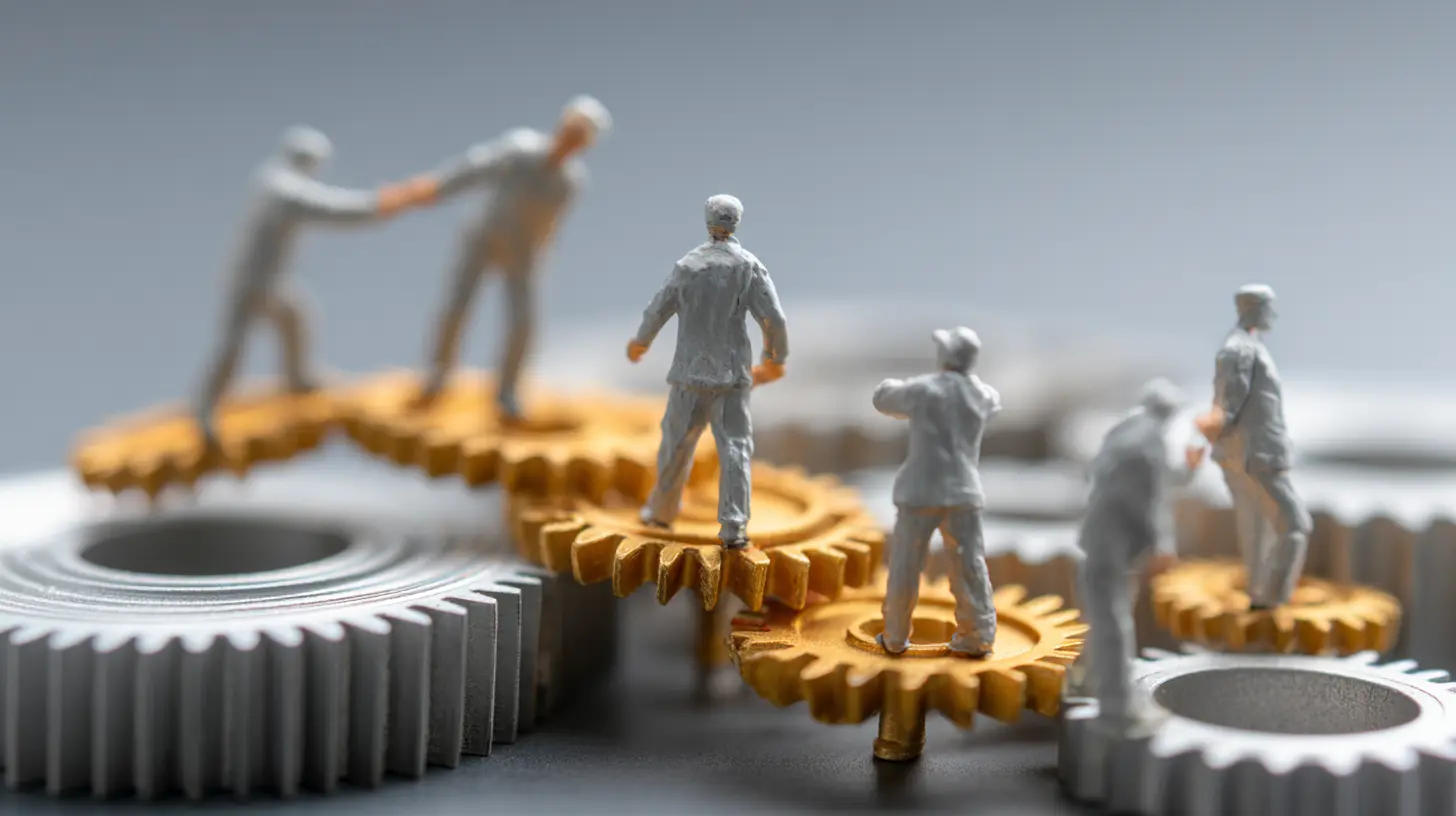
The Science of Change and the Human Factor
Change isn’t just procedural—it’s psychological. And humans are emotional creatures, no matter how logical we like to think we are. Understanding this emotional component helps leaders connect with their teams and lead change more effectively.Navigating Through the Change Curve
Organizational change often follows a psychological path known as the change curve—similar to the stages of grief:1. Shock and Denial – “Why are we doing this?”
2. Anger and Resistance – “I don’t like this. It’s uncomfortable.”
3. Acceptance and Exploration – “Maybe this can work.”
4. Commitment – “Let’s do this!”
Great leaders guide their people through each stage. They don’t pretend the fear and resistance aren't real—instead, they acknowledge it, address concerns openly, and help people push through the discomfort.
Communication Is Everything
Let’s face it, poor communication is the fastest way to turn a change initiative into a flaming mess. People need more than a one-time announcement. They need clarity, consistency, and a whole lot of reassurance.Overcommunication Beats Undercommunication
In times of change, silence breeds rumors. If people aren’t hearing from leadership, they’ll start writing their own narrative—and usually, it’s way worse than reality. Leaders who communicate early, often, and transparently build trust, reduce anxiety, and keep everyone aligned.Honest and Empathetic Messaging
This isn’t the time for corporate jargon or robotic language. Leaders who communicate with empathy—acknowledging discomfort while reinforcing the purpose of change—are far more effective. A little humanity goes a long way.
The Role of Trust and Credibility
Let’s be real: if your team doesn’t trust you, they won’t follow you. Trust is the currency of leadership, especially during change.Building Trust Takes Time—But Losing It Is Instant
You can’t fake sincerity. Teams know when leadership is being performative or disconnected. On the flip side, leaders who are authentic, consistent, and accountable build credibility over time. And that credibility becomes a powerful asset when it’s time to lead people through a shaky transition.Transparency Builds Loyalty
Instead of sugarcoating bad news or making empty promises, effective leaders tell it like it is. They acknowledge challenges and involve employees in decision-making whenever possible. This makes people feel valued and respected rather than manipulated or misled.Empowering and Supporting the Team
Change is exhausting. Morale often dips. Productivity might take a temporary hit. That’s normal. The question is, how do leaders support their people through the chaos?Equip Teams with the Right Tools
Imagine asking someone to build a house without giving them a hammer. Doesn’t make sense, right? The same goes for organizational change. Whether it’s training on new technologies, workshops on mindset shifts, or clear documentation of new processes, leaders must make sure their teams have what they need to succeed.Encourage Resilience and Adaptability
Let’s not ignore the emotional toll of change. Leaders who encourage a growth mindset and foster psychological safety create an environment where people feel safe to try, fail, learn, and try again. That’s how sustainable transformation happens.Creating Alignment Across All Levels
Here’s a common trap: the top-level leaders are all-in on the change, but the middle managers? Not so much. This misalignment can secretly sabotage the whole thing.Middle Managers: The Unsung Heroes (or Villains) of Change
Middle managers are the bridge between strategy and execution. If they’re not on board, the message doesn’t flow, and the change dies in the middle. Leaders need to bring these folks into the fold early. Equip them. Inspire them. Listen to them. Because they’re the ones responsible for translating vision into action.Consistent Leadership Across the Board
Mixed messages from different leaders create confusion and resistance. When all levels of leadership send a united message—through words, actions, and decisions—the change becomes much more digestible.Recognizing and Rewarding Progress
Let’s not underestimate the power of a pat on the back. Change is hard work, and people need to feel that their effort is noticed and appreciated.Celebrate the Small Wins
Rome wasn’t built in a day, and neither is a transformed organization. Effective leaders recognize incremental progress. A shoutout in a meeting, a thank-you email, or a small reward can go a long way in keeping momentum alive.Use Recognition as a Motivator
When people see that adapting to change earns them recognition or opportunities, it reinforces the behaviors you want to encourage. It creates a ripple effect across the organization.Learning from Failure and Adapting Fast
Here’s a truth bomb: not all change initiatives will work perfectly. But failure isn’t the end—it’s part of the journey.Leaders Who Embrace Feedback Grow Faster
Change is dynamic. The best leaders don’t cling to the plan just for the sake of sticking to it. They gather feedback, assess what’s working and what’s not, and pivot where needed. This agility can be the difference between success and a costly flop.Transparency Around Mistakes Builds More Trust
Admitting that something didn’t go as expected doesn’t make you weak—it makes you real. Teams appreciate leaders who are honest about setbacks and focused on solutions rather than blame.The Long-Term Payoff of Leadership-Driven Change
When leaders get it right—when they lead with vision, empathy, clarity, and consistency—organizational change doesn’t just “go” well. It sticks. It becomes part of the company’s culture and DNA.Culture Shifts Begin at the Top
Organizational change should ultimately lead to lasting culture change. And culture change doesn’t happen from the bottom up—it requires leadership to set the tone, live the values, and show commitment long after the initial rollout.Change Management Becomes a Core Competency
With effective leadership, change becomes less of a dreaded event and more of a muscle the organization builds over time. People become more adaptable, open to innovation, and proactive in problem-solving.Final Thoughts
Let’s be honest—change is tough. But it’s also necessary. In today’s fast-paced world, companies that don’t evolve get left behind. And the only way to navigate that evolution successfully is through intentional, committed, and human-centric leadership.So if you're in a leadership role right now, or even aspiring to be, remember: your actions, your words, your decisions—they all shape how your organization embraces or resists change. Lead with clarity. Lead with empathy. Most importantly, lead by example.
Because at the end of the day, organizational change starts—and ends—with leadership.
all images in this post were generated using AI tools
Category:
Change ManagementAuthor:

Ian Stone
Discussion
rate this article
1 comments
Flora Dillon
Great insights on leadership's impact. Effective change starts at the top and requires strong commitment.
June 10, 2026 at 4:56 AM
Ian Stone
Thank you for your thoughts! Leadership truly sets the tone for effective change.