Leveraging Workspace Design to Encourage Productivity
14 April 2026
Ever wonder why some workplaces buzz with energy while others feel like a productivity black hole? The secret often lies in workspace design. Whether you're working from home or managing an office, the way your environment is set up can significantly impact focus, efficiency, and creativity.
So, how can you tweak your workspace to get the most out of your day? Let’s dive into the key elements of workspace design that can supercharge productivity.
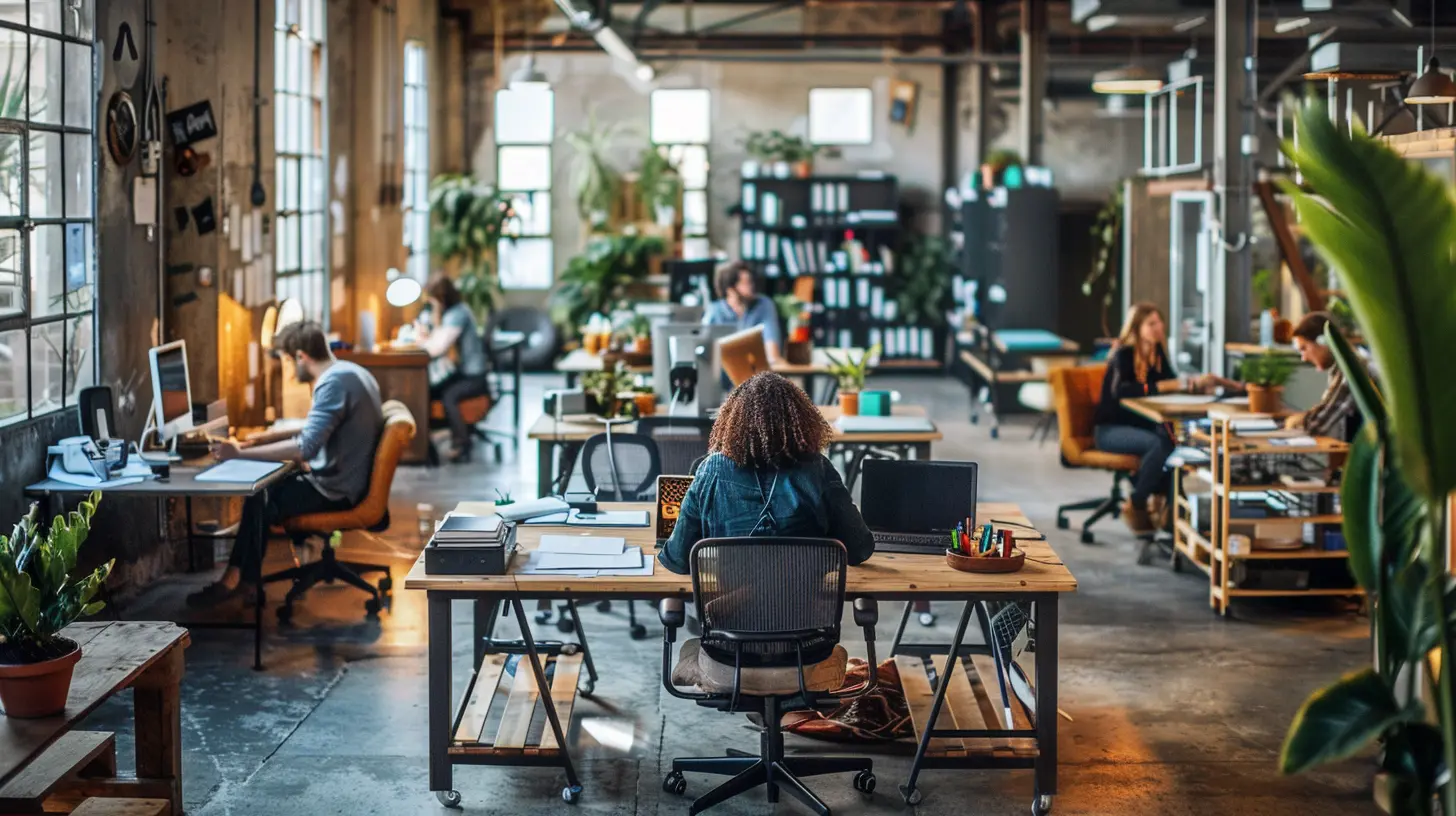
The Psychology Behind Workspace Design
Your environment directly influences your mindset, mood, and motivation. A cluttered, poorly lit workspace can drain your energy, while a well-organized, aesthetically pleasing one can inspire innovation.Studies have shown that factors like lighting, color, furniture, and even air quality can shape how efficiently we work. With that in mind, let’s break down the elements that can turn any workspace into a productivity powerhouse. 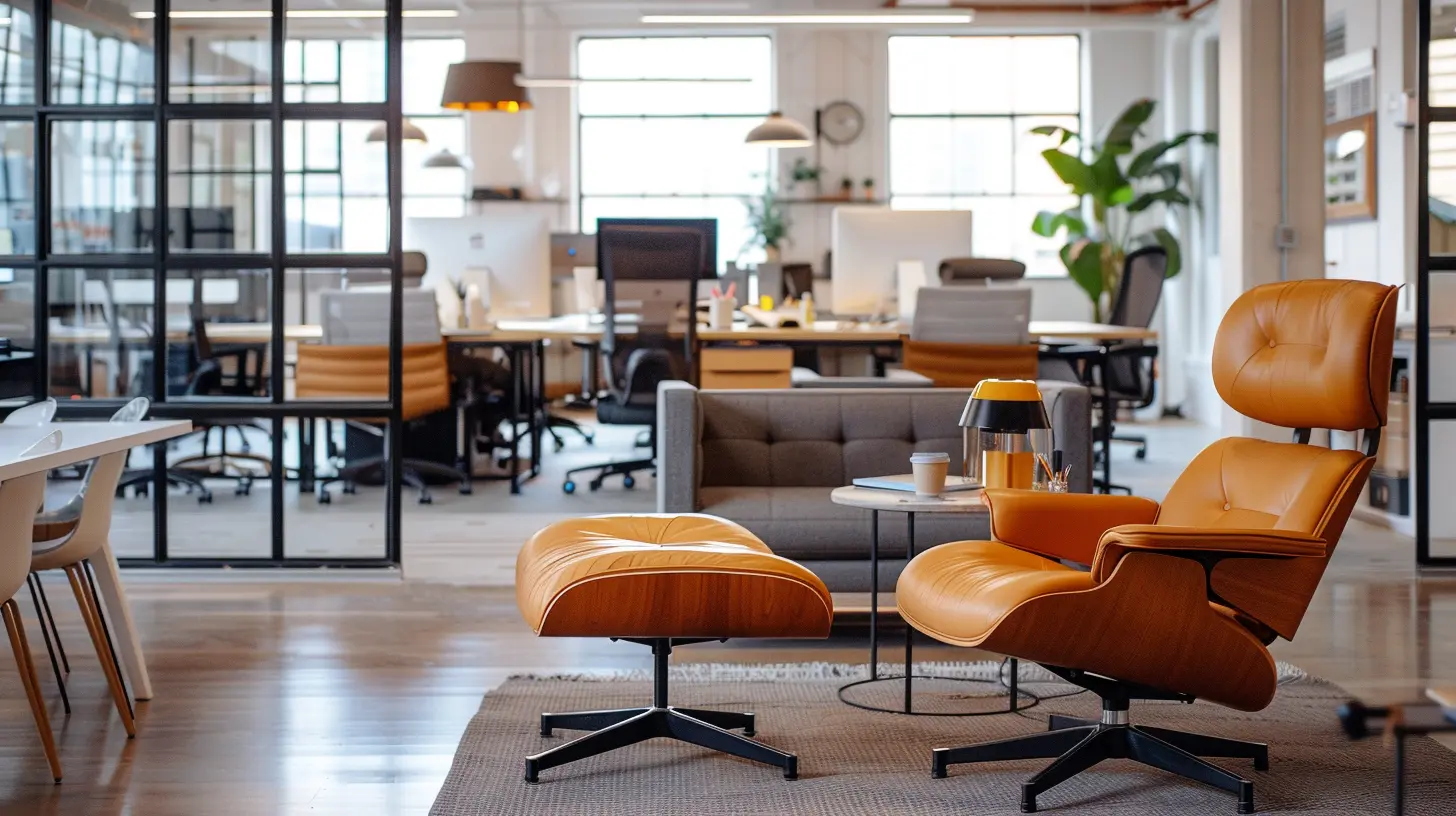
1. Optimize Lighting for Maximum Efficiency
Natural Light vs. Artificial Light
Good lighting is non-negotiable when it comes to productivity. Natural light boosts serotonin levels, keeping you happier and more focused. If possible, set up your workspace near a window to soak in those daylight benefits.If natural light isn’t an option, opt for LED lights. Harsh fluorescent lights can cause headaches and fatigue, while warm, soft lighting can create a cozy, inviting atmosphere conducive to deep work.
Task Lighting Matters
Ever noticed how restaurants use dim lights for a relaxed ambiance but offices rely on bright lighting for alertness? That’s no coincidence. Proper task lighting—like desk lamps—helps reduce eye strain and keeps you focused on the job at hand.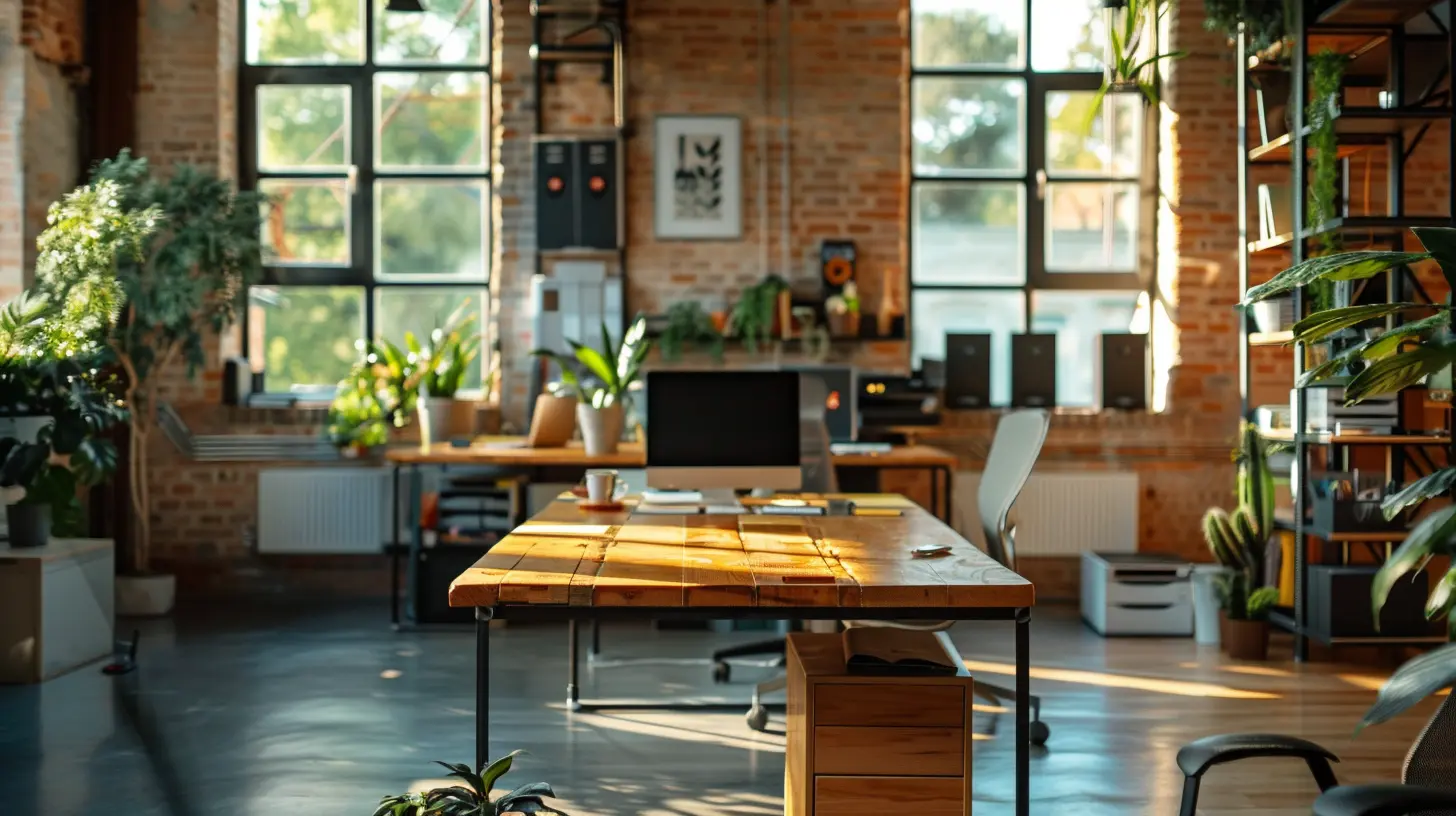
2. Declutter for a Clearer Mind
A cluttered workspace is a productivity killer. When your desk is chaotic, your mind follows suit. Here’s how to declutter effectively:- Adopt the "One-Touch Rule" – If you pick something up, put it where it belongs immediately. No piles, no procrastination.
- Use Smart Storage Solutions – Shelves, drawers, and organizers can keep everything in its place without adding visual noise.
- Go Digital Where Possible – Reduce paper clutter by storing documents digitally instead of in physical files.
A minimalist workspace doesn’t mean sterile—it means everything is where it should be, creating a distraction-free zone for deep work. 
3. Furniture: Comfort Meets Functionality
Ergonomic Seating is Non-Negotiable
Ever tried working in an uncomfortable chair? It’s a nightmare. Investing in an ergonomic chair prevents back pain, improves posture, and keeps you comfortable for extended work sessions.When choosing a chair, look for:
✔ Adjustable height and armrests
✔ Lumbar support for your lower back
✔ A swivel base for easy movement
Standing Desks: Productivity Game-Changer?
Standing desks are becoming increasingly popular—and for good reason. They reduce sedentary time, improve circulation, and can even increase energy levels. If a standing desk isn’t an option, a desk converter can offer flexibility without breaking the bank.4. Color Psychology: The Impact of Hues on Productivity
Did you know different colors can trigger specific emotions and behaviors? Choosing the right color palette can subtly enhance your productivity.- Blue: Enhances focus and efficiency—great for offices.
- Green: Reduces eye strain and promotes calmness—ideal for long work hours.
- Yellow: Sparks creativity and energy—perfect for brainstorming areas.
- Red: Increases urgency and alertness—best for high-pressure environments.
Want to play it safe? Stick to neutral tones with pops of color to create a balanced atmosphere.
5. Noise Management: Creating a Focus-Friendly Environment
Noise can be a major distraction, but not all sounds are bad. In fact, the right sound environment can enhance concentration.When Silence is Golden
If you thrive in total silence, noise-canceling headphones can be a game-changer. They block out distractions and help you focus on deep work without interruptions.Ambient Noise for Creativity
Not everyone works best in silence. Some people find that light background noise—like a coffee shop hum or nature sounds—improves their concentration. Apps like Noisli or Coffitivity can generate these sounds on demand.Office Acoustics Matter
If you're designing an office space, consider soundproofing solutions like carpets, acoustic panels, or soft furniture to absorb excess noise.6. Greenery: The Power of Plants in Productivity
Adding a bit of nature to your workspace isn’t just about aesthetics—it has real productivity benefits. Studies show that plants can:✔ Reduce stress levels
✔ Increase air quality
✔ Boost creativity and problem-solving skills
Low-maintenance plants like succulents, snake plants, or peace lilies can add a refreshing touch to your workspace with minimal effort.
7. Personalization: Making the Space Your Own
While a clean and organized workspace is important, it doesn’t mean stripping it of personality. A space that feels yours can enhance motivation and creativity.Ways to Personalize Without Clutter
- Add motivational quotes or artwork- Use a unique mousepad or desk organizer
- Display a couple of personal photos
- Choose a workspace scent (like lavender for relaxation or citrus for energy)
When done right, a personalized workspace feels welcoming without being distracting.
8. Multi-Functional Spaces: Flexibility is Key
The way we work is evolving. Traditional desks are no longer the only workspace option. Many companies are adopting multi-functional workspaces to accommodate different work styles.Zoning Your Workspace
Consider having different work zones for different tasks:- Focus Zone: A quiet space for deep work
- Collaboration Zone: A meeting area for brainstorming
- Relaxation Zone: A spot for breaks to reset your mind
Even if you work from home, having a designated area for work (rather than using your bed or couch) can help boost focus and separate work from personal life.
9. The Role of Technology in Workspace Productivity
Your workspace setup isn’t complete without the right tech. A slow computer or cluttered desktop can hinder productivity.Tech Essentials for a High-Performance Workspace
✔ A second monitor for multitasking✔ A high-quality keyboard and mouse for comfort
✔ Wireless charging stations to keep devices powered up
✔ A cable management system to reduce desk clutter
Having the right tech setup ensures smoother workflows and fewer unnecessary distractions.
10. Encouraging Movement Throughout the Day
Sitting for long periods can zap your energy and creativity. Incorporating movement into your work routine can help keep your brain active.How to Stay Active at Your Desk
- Use an under-desk bike to stay active while working- Set a timer to stand and stretch every hour
- Hold walking meetings instead of sitting in one place
Even small movements throughout the day can prevent burnout and boost overall performance.
Final Thoughts
Workspaces aren’t just places where we “get work done.” They shape our moods, motivation, and overall productivity. By making small but intentional changes—like optimizing lighting, decluttering, adding greenery, or incorporating ergonomic furniture—you can transform any workspace into a high-performance environment.So, what’s the next change you’ll make to your workspace? Start with one or two tweaks and watch how they impact your focus and efficiency.
all images in this post were generated using AI tools
Category:
Workplace ProductivityAuthor:

Ian Stone
Discussion
rate this article
2 comments
Flint Dillon
Creating an inspiring workspace is more than aesthetics; it’s about fostering an environment that promotes focus, collaboration, and well-being. Thoughtful design can significantly boost productivity by aligning with employee needs, enhancing creativity, and cultivating a culture of innovation. Prioritize spaces that empower individuals to thrive.
April 26, 2026 at 10:59 AM
Ian Stone
I completely agree. A well-designed workspace can truly transform how we work, driving collaboration and creativity while supporting individual needs. It's all about creating an environment where people can excel.
Yvette O'Neal
In spaces where dreams intertwine, creativity blossoms. Thoughtful design beckons productivity, turning ordinary days into extraordinary journeys of achievement.
April 14, 2026 at 5:07 AM
Ian Stone
Absolutely! The right design can transform a space and inspire us to achieve more. It's all about creating an environment that nurtures creativity and focus.