Measuring the ROI of Corporate Social Responsibility Initiatives
17 December 2025
Corporate Social Responsibility (CSR) used to be that nice “extra” companies did to look good. A charitable donation here, a park cleanup there—you know, the stuff that made for great photo ops. But that’s changed. In today’s business landscape, CSR is no longer optional or just a PR stunt. It’s a legit strategy that can drive serious business value.
But here's the kicker: how do you actually measure the return on investment (ROI) of CSR initiatives?
It’s not like calculating the ROI of a marketing campaign where you simply track leads and conversions. CSR’s benefits are often long-term, intangible, and wrapped in feel-good vibes. Still, businesses need hard data to justify their CSR efforts. So, let’s peel back the layers and figure out how to measure the ROI of corporate social responsibility.
Why CSR Needs to Show ROI
Let’s be real—businesses don’t just hand out money and resources for fun. Whether it’s reducing carbon footprints or funding local schools, they want something in return. That “something” might not always be direct revenue, but it has to be valuable.So, why is measuring ROI so important when it comes to CSR?
- Accountability: Stakeholders—both internal and external—want proof that CSR programs deliver real impact.
- Strategic Decisions: Measuring ROI helps guide future investments. Should you put more money into environment-friendly packaging or community outreach? ROI has the answers.
- Reputation Management: A good CSR strategy can build brand equity—but it only works if you’ve got the data to back it up.
Think of it this way: CSR without ROI is like a gym membership without a workout plan. It looks good on paper, but it won’t do much unless it’s part of a bigger strategy.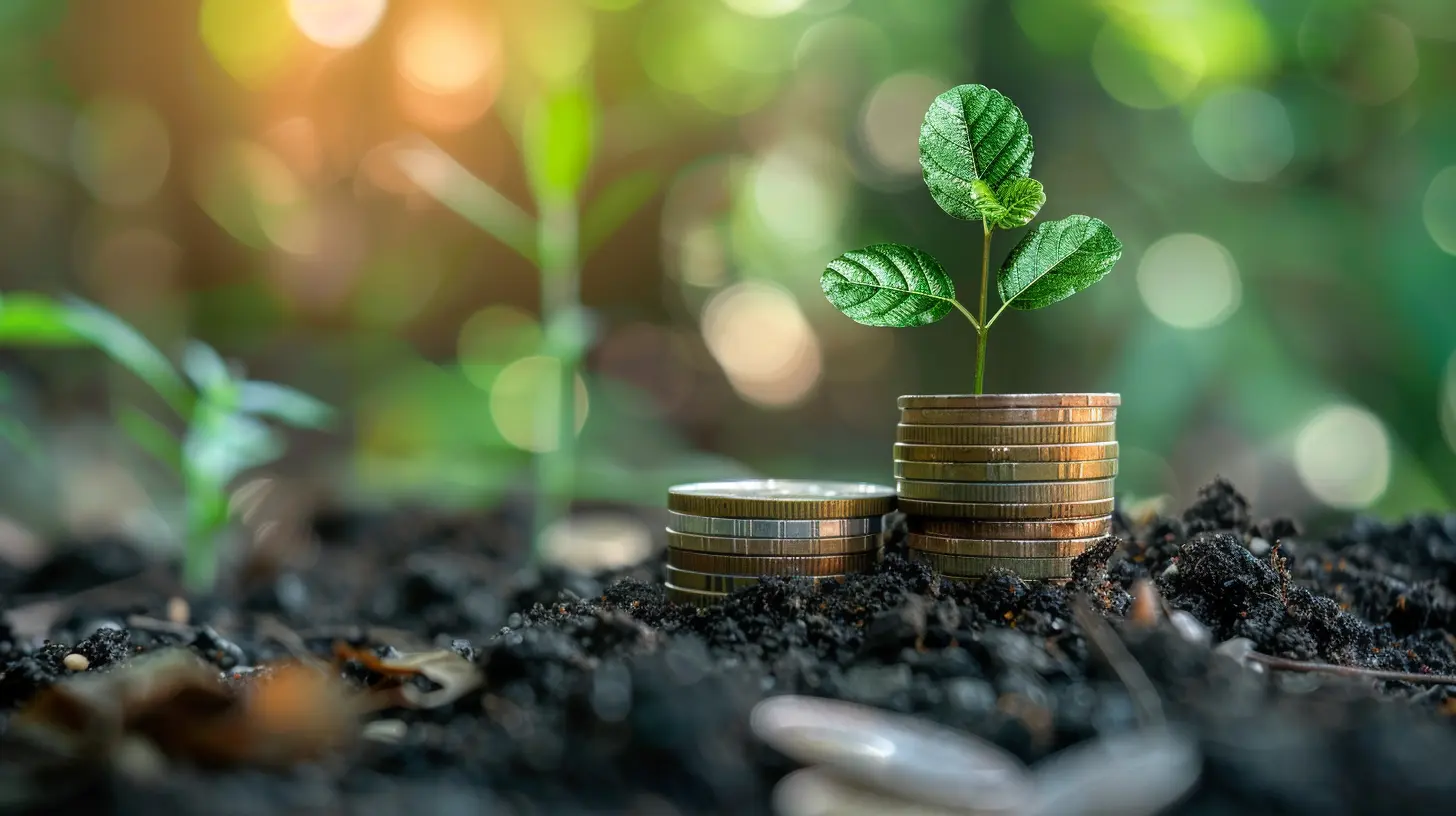
The Challenges of Measuring CSR ROI
Before diving into the “how,” let’s talk about the elephant in the boardroom: measuring CSR ROI is tough. Why? Because many CSR benefits are intangible, making them tricky to quantify.Here are a few roadblocks:
- Delayed Impact: CSR isn’t a quick win. Benefits might take months—or even years—to show up.
- Complex Variables: Multiple factors (like market trends, public sentiment, and competitor actions) can influence outcomes.
- Subjectivity: How do you quantify things like goodwill, employee pride, or environmental impact?
But tough doesn’t mean impossible. You just need the right tools, metrics, and mindset.
Building the Right Framework for Measuring CSR ROI
Alright, let’s get into the good stuff. Measuring the ROI of CSR starts with building a solid framework—one that aligns with both your business objectives and your CSR goals.1. Set Clear Objectives
Start by asking: what are we trying to achieve with our CSR initiatives?CSR goals typically fall into categories like:
- Environmental Impact (e.g., reducing emissions)
- Social Impact (e.g., improving education, healthcare access)
- Economic Impact (e.g., supporting local businesses)
- Brand Reputation (e.g., building customer trust)
- Employee Engagement (e.g., increasing retention)
The clearer your objectives, the easier they are to measure.
2. Pick the Right Metrics
Once you’ve got your goals lined up, it’s time to figure out how to measure success. Here are some examples:For Environmental Impact:
- Reduction in carbon emissions (CO2 savings)- Water and energy saved
- Increase in recycling rates
For Social Impact:
- Number of people impacted- Volunteer hours contributed
- Education levels improved (e.g., graduation or literacy rates)
For Economic Impact:
- Jobs created- Local vendors hired
- Amount reinvested into the community
For Brand Reputation:
- Brand sentiment analysis- Media coverage (positive vs. negative)
- Customer trust scores
For Employee Engagement:
- Employee satisfaction surveys- Turnover rates
- Internal promotions
Pro tip: use both quantitative and qualitative data. Hard numbers are great, but stories and feedback bring context.
3. Link CSR Metrics to Business Outcomes
This is where it gets juicy. Every CSR activity should tie back to a business result. Let’s break that down:- Improved Brand Loyalty → Increased customer retention → More sales
- Employee Engagement → Lower turnover → Savings on hiring costs
- Energy Efficiency → Lower utility bills → Higher profit margins
- Community Support → Better local partnerships → Streamlined operations
You’ve got to connect the dots. Otherwise, you’re just collecting data for fun.
Tools and Techniques to Measure CSR ROI
Okay, so how do you actually track all this stuff? Luckily, there are tools and methods to make it more manageable.1. CSR Dashboards
These are software platforms that let you track, analyze, and report CSR data in real-time. Think of them as fitness trackers—but for your social impact.Common CSR dashboard features:
- KPI tracking
- Real-time data visualization
- Customizable reporting
Popular platforms include:
- Enablon
- Benevity
- EcoVadis
- Salesforce Philanthropy Cloud
2. Surveys
Never underestimate the power of asking. Surveys are goldmines of information, especially for measuring employee engagement and customer perception.Tips for effective surveys:
- Keep them short and focused
- Use a mix of open-ended and scaled questions
- Conduct them regularly (quarterly or annually)
3. Social Listening Tools
Want to know what people really think about your CSR efforts? Use tools like Hootsuite Insights, Brandwatch, or Sprout Social to track mentions, hashtags, and sentiment around your brand.4. Cost-Benefit Analysis
The old-school method still works. Compare the cost of your CSR initiative against the value generated (measured in savings, revenue, or increased productivity).For example:
- Initiative: Solar panel installation
- Cost: $100,000
- Annual energy savings: $20,000/year
- Break-even: 5 years
- Added bonus: Environmental PR boost
Real-Life Examples of CSR ROI in Action
Let’s take a walk through the real world and see how companies are tracking CSR ROI.Patagonia
Environmental stewardship isn’t just a buzzword for Patagonia—it’s their business model. They invest in sustainable materials, fair trade practices, and eco-friendly logistics.ROI?
- Their loyal customer base pays premium prices
- 70%+ of customers say they buy due to the brand’s values
- Reduced operational costs from energy efficiency
TOMS Shoes
TOMS built its entire brand on giving back—“One for One.” While the model has evolved, the core idea remains: social good drives sales.ROI?
- Massive brand awareness
- Customer loyalty through storytelling
- Expanded into eyewear and coffee with same philosophy
Unilever
Through its Sustainable Living Plan, Unilever committed to reducing environmental impact and improving health and well-being.ROI?
- Sustainable brands grew 69% faster than the rest of the business
- Attracted socially conscious investors
- Reduced resource usage, cutting costs
Best Practices for Maximizing CSR ROI
Want to get the biggest bang for your CSR buck? Keep these tips in your back pocket.Align CSR with Core Business
Don’t treat CSR like a side project. The best results come when purpose and profit go hand in hand. If you’re a logistics company, maybe focus on supply chain sustainability. If you’re in tech, support digital literacy.Be Transparent
People can sniff out fake CSR from a mile away. Be honest about your goals, progress, and setbacks. Authenticity builds trust—and trust builds ROI.Engage Stakeholders Early
Get employees, customers, and partners involved from day one. Input breeds investment. When people feel like part of the mission, they’ll go the extra mile.Measure and Tweak
What gets measured gets improved. Track your metrics, analyze what’s working, and pivot when needed. CSR isn’t “set it and forget it”—it’s an evolving journey.Final Thoughts
Measuring the ROI of Corporate Social Responsibility initiatives isn’t an exact science—but it’s far from impossible. With the right goals, tools, and mindset, businesses can turn feel-good efforts into competitive advantages.Remember, CSR done right isn’t just about doing good. It’s about doing well while doing good. That’s the sweet spot.
So, next time someone asks, “What’s the ROI on that CSR program?”—you’ll have more than just a warm, fuzzy feeling to show them.
all images in this post were generated using AI tools
Category:
Corporate Social ResponsibilityAuthor:

Ian Stone
Discussion
rate this article
2 comments
Monique McElroy
Absolutely love this article! Measuring the ROI of Corporate Social Responsibility initiatives not only highlights their value but also inspires companies to create a positive impact. A win-win for businesses and communities alike! 🌟
January 13, 2026 at 5:30 AM
Ian Stone
Thank you for your positive feedback! I'm glad you found the insights valuable. It's true that measuring ROI can drive meaningful change for both businesses and communities! 🌍✨
Zane Gates
Turning good deeds into great deeds! Measuring ROI on CSR is like counting smiles—let's see how much happiness we can generate!
December 19, 2025 at 5:46 AM
Ian Stone
While measuring ROI on CSR can be challenging, quantifying the impact on community well-being and employee morale can provide valuable insights into the true value of these initiatives.