Real-Time Analytics: The Competitive Edge in a Fast-Paced Market
25 March 2026
In today's business environment, speed is everything. Data floods in from every direction—customer interactions, sales transactions, supply chain logistics, social media engagement, and more. If businesses want to stay ahead, they need to analyze and act on this data in real time. That’s where real-time analytics comes in.
But what exactly is real-time analytics? And more importantly, how can it give businesses a competitive edge? Let’s dive into it.
What is Real-Time Analytics?
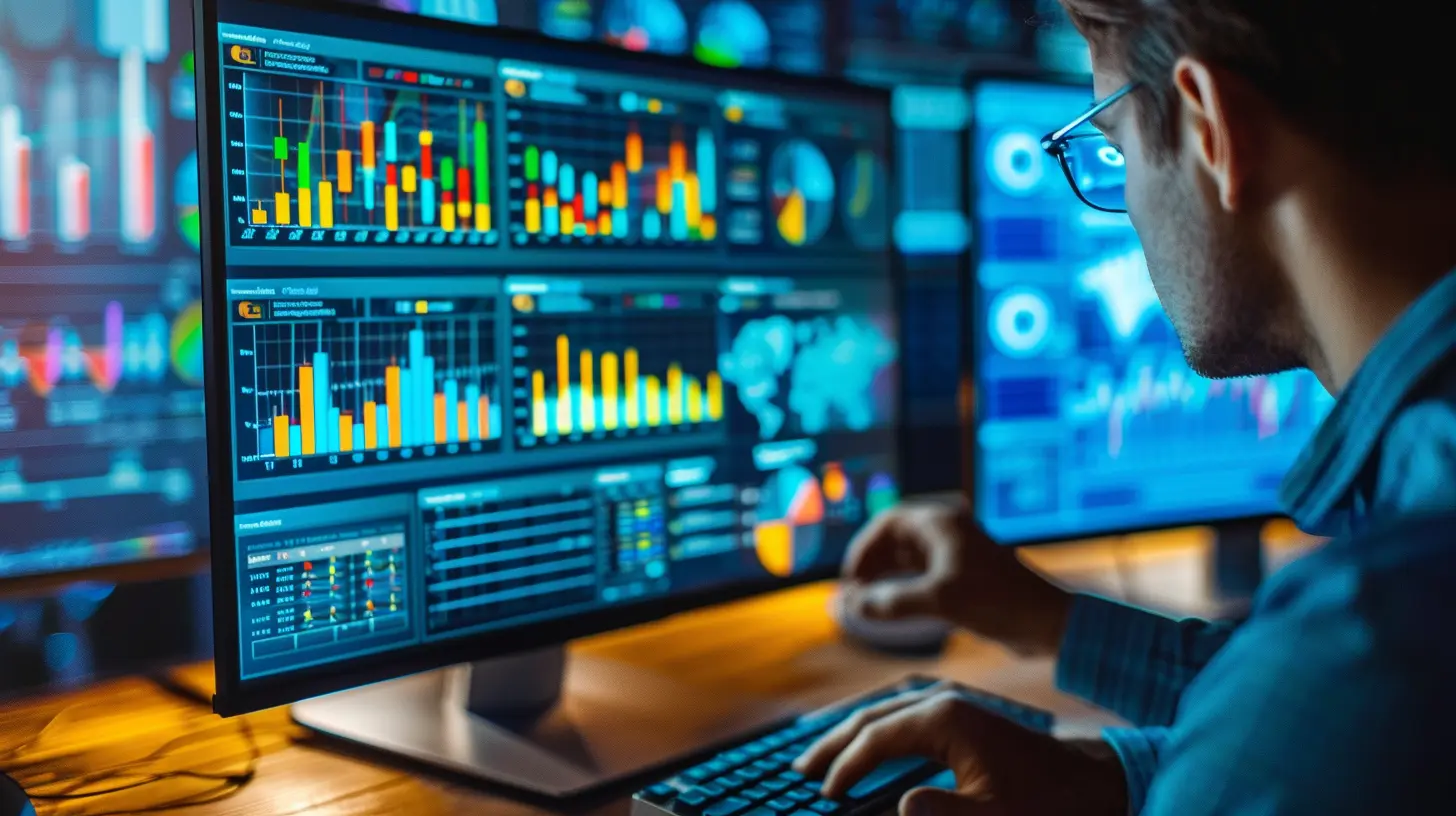
At its core, real-time analytics is the process of gathering, analyzing, and acting on data as soon as it’s generated. Unlike traditional analytics, which often rely on batch processing and can take hours or even days to produce insights, real-time analytics offers instantaneous intelligence.Think of it like GPS navigation. Would you rather have a map from last week, or directions that update as you drive? Businesses need the live, dynamic insights that real-time analytics provides to navigate their markets effectively.
Why Real-Time Analytics Matters
1. Speed Equals Competitive Advantage
The faster a business can react to market changes, customer needs, or operational inefficiencies, the stronger its position. Real-time analytics helps companies make data-backed decisions instantly, preventing costly delays.For example, an e-commerce retailer can detect a sudden surge in demand for a product and adjust its inventory before stock runs out. Without real-time insights, that opportunity might slip away.
2. Improved Customer Experience
Today's customers expect fast, personalized experiences. Real-time analytics allows businesses to tailor offerings, pricing, and communication in the moment.Think about chatbots that resolve customer inquiries instantly or streaming services that recommend content based on what you're watching right now. These are perfect examples of how instant data analysis enhances user experiences.
3. Fraud Detection & Risk Management
In industries like banking and cybersecurity, real-time analytics is a game-changer. It can detect suspicious transactions the moment they happen, blocking fraudulent activities before they cause damage.Imagine a bank noticing unusual transactions from a customer’s account in seconds and freezing the card immediately—it’s a powerful safeguard against financial fraud.
4. Optimized Operations & Efficiency
Businesses can monitor supply chains, manage logistics, and enhance operational efficiency using real-time data. Delays, bottlenecks, and inefficiencies can be identified and corrected on the spot.For instance, an airline can use real-time analytics to update passengers about flight delays, reroute planes efficiently, and minimize disruptions.
5. Data-Driven Decision Making
Gut feelings are great, but data-driven decisions win markets. With real-time analytics, executives and managers don’t have to wait for end-of-month reports—they get live performance metrics, allowing them to pivot strategies instantly.
Key Components of Real-Time Analytics
1. Data Collection
Real-time analytics starts with gathering data from multiple sources—social media, customer activity, sensors, transactions, etc. The faster and broader the data collection, the better the insights.2. Data Processing & Storage
Unlike traditional analytics, which stores data before analyzing it, real-time analytics processes data as it arrives. This requires powerful computing tools like stream processing frameworks (e.g., Apache Kafka, Apache Flink).3. Data Analysis
Once collected and processed, the data must be analyzed for patterns, trends, and actionable insights. Machine learning and AI play significant roles here, automating decision-making and identifying anomalies.4. Visualization & Actionable Insights
Data is useless if it's not understandable. Real-time dashboards, alerts, and predictive models display insights in easily digestible ways so businesses can act swiftly.
Industries Benefiting from Real-Time Analytics
Retail & E-Commerce
- Dynamic pricing based on demand and competition- Personalized promotions and recommendations
- Real-time inventory management
Finance & Banking
- Fraud detection and prevention- Algorithmic trading based on real-time market conditions
- Automated customer service chatbots
Healthcare
- Remote patient monitoring and instant alerts for critical conditions- AI-driven diagnostics in real time
- Efficient hospital resource allocation
Marketing & Advertising
- Real-time customer engagement tracking- Personalized ad targeting based on live behavior
- Instant campaign performance adjustments
Manufacturing & Logistics
- Predictive maintenance to prevent machine failures- Supply chain optimization
- Fleet tracking and route optimization
Challenges of Implementing Real-Time Analytics
Despite its benefits, real-time analytics isn't without challenges.1. High Costs & Infrastructure Needs
Processing data in real-time requires powerful computing systems, which can be expensive. Organizations need to invest in cloud-based solutions or high-performance on-premise infrastructure.2. Data Overload
With data pouring in from multiple sources, businesses must avoid information overload. Filtering out noise and focusing on relevant insights is crucial.3. Security & Compliance Risks
Handling massive amounts of real-time data, often including sensitive information, raises concerns about security and privacy. Businesses must comply with regulations like GDPR or CCPA to protect customer data.4. Integration with Existing Systems
Many businesses already have legacy systems that may not seamlessly integrate with real-time analytics platforms. Upgrading or adapting these systems can be challenging.
How to Get Started with Real-Time Analytics
Thinking about implementing real-time analytics? Here’s a simple roadmap:1. Identify Business Goals
Before diving in, companies need to define what they want to achieve—better customer experiences, fraud prevention, operational efficiency, etc.2. Choose the Right Tools & Technologies
Selecting the right analytics platform is critical. Technologies like Apache Kafka, Spark Streaming, AWS Kinesis, and Google BigQuery help businesses handle real-time data effectively.3. Ensure Scalable Infrastructure
Cloud-based solutions like AWS, Microsoft Azure, and Google Cloud offer scalable environments, reducing upfront hardware costs while ensuring high-speed processing.4. Hire Skilled Data Analysts
Real-time analytics is only as good as the people managing it. Businesses need skilled data analysts, engineers, and AI specialists to maximize its potential.5. Start Small & Scale Gradually
Instead of overhauling everything at once, businesses should implement real-time analytics in specific areas first (e.g., fraud detection, customer service). Once successful, they can scale it across departments.The Future of Real-Time Analytics
As technology advances, real-time analytics will become even faster, smarter, and more accessible. AI and machine learning will further automate decisions, making businesses more agile and proactive.Companies that embrace real-time analytics today are setting themselves up for long-term success. Those that ignore it? Well, they might just find themselves stuck in the slow lane while competitors speed ahead.
all images in this post were generated using AI tools
Category:
Business AnalyticsAuthor:

Ian Stone
Discussion
rate this article
2 comments
Dylan Lambert
Real-time analytics: because guessing in business is so last season! It's like having a crystal ball—just with more data and fewer mystical vibes!
April 10, 2026 at 3:52 AM
Ian Stone
Glad you enjoyed it! Real-time analytics truly transforms decision-making, turning intuition into informed strategy.
Juno Larsen
Who needs sleep when you can obsess over real-time data?
March 28, 2026 at 6:07 AM
Ian Stone
Sleep is overrated when real-time insights drive success. Priorities shift in a fast-paced market.