The Human Side of Change: Understanding Emotional Transitions
15 December 2025
Change. Just the word can make your stomach flutter a bit. We all go through it—some of us fight it tooth and nail, while others seem to ride the wave with a grin. But here’s the truth: change is inevitable. Whether it’s a career move, a lifestyle makeover, or something as personal as a relationship shift, change happens. And when it does, it doesn’t just affect our to-do lists or schedules—it strikes much deeper. It hits our emotions, beliefs, and even our sense of self.
In this article, we’re diving deep into the emotional side of change. Not the sterile, corporate version with bullet-pointed “action steps,” but the raw, real human experience. If you’ve ever felt anxious, lost, or weirdly excited when life takes a turn, this one’s for you.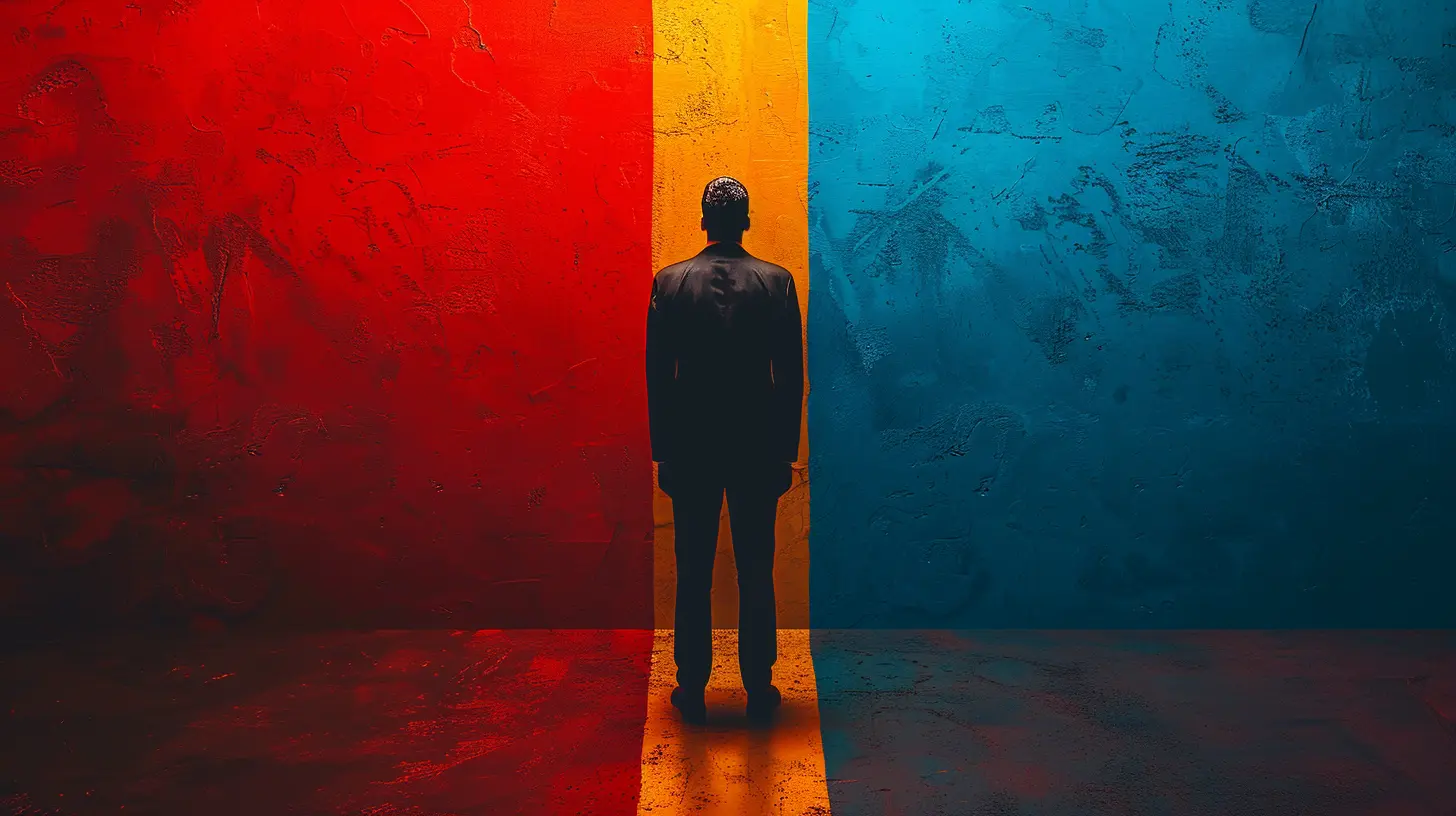
Change Isn’t Just About What Happens — It’s About What We Feel
Let’s get one thing straight: change is not just logistical. It’s emotional. When we shift from one phase of life to another, it’s not just about rearranging the furniture. It’s about rearranging our inner world.Think about the last big change you went through. Maybe it was starting a new job, ending a relationship, or moving to a new city. What did you feel?
- Excitement?
- Fear?
- Confusion?
- Grief?
Chances are, it was a cocktail of all those emotions and more. And that’s normal. In fact, it’s human.
The Psychological Phases of Change
Just like we grieve, we transition emotionally through change in phases. Ever heard of the Kübler-Ross model? It was originally developed to explain the stages of grief, but guess what? It also fits like a glove when applied to change. Let’s break it down in a more relatable way:1. Denial – “This isn’t happening”
This is the part where your brain goes, “Nope, not real.” You might ignore the change, avoid thinking about it, or pretend everything’s fine. It's your mind’s way of buying time to process what's coming.2. Anger – “Why is this happening to me?”
Here come the fireworks. You might feel frustrated, blame others, or feel like life is just unfair. These feelings are valid—it’s your mind reacting to the loss of what was familiar.3. Bargaining – “What if I do this differently?”
This stage involves a bit of negotiation—maybe with life, maybe with yourself. “If I work overtime every day, maybe I won’t lose my job.” It’s a way of trying to regain control.4. Depression – “I don’t know how to move forward”
Here’s where the emotional weight really kicks in. The future feels uncertain, and motivation takes a hit. It’s okay. You’re not broken—you’re in transition.5. Acceptance – “Okay, this is real… now what?”
Finally, acceptance doesn’t mean you’re thrilled about the change. It means you’ve acknowledged it and are slowly adapting. The fog starts to lift and the path forward becomes a bit clearer.
Emotional Transitions Are Personal (And Nonlinear)
The thing about emotional change is that it doesn’t follow a nice, clean timeline. You might bounce between these stages, revisit old ones, or skip one altogether. And that’s okay.Everyone’s journey through change is different. What devastates one person might feel like a new beginning for another.
So don’t judge yourself if you're not “over it” in a week. Emotional processing has its own messy timeline, and healing doesn’t punch a timecard.
Why Change Feels So Hard
Ever wonder why change can feel like climbing a mountain with no shoes on? Here's why:1. Loss of Identity
Change messes with how we see ourselves. If you've always identified as a teacher and then you retire or switch careers, who are you now? Identity is a massive anchor, and when it shifts, it creates waves.2. Fear of the Unknown
Our brains love known patterns. Even if the current situation sucks, it’s comfortable because it’s familiar. Change throws a wrench in that comfort zone and introduces uncertainty. And guess what? Our brains hate uncertainty.3. Emotional Attachment
We get emotionally tied to people, places, routines, and even versions of ourselves. Letting go isn't just hard—it can feel like mourning a loss.Coping Isn't One-Size-Fits-All, But Here's What Actually Helps
So how do we deal with the emotional rollercoaster of change? The truth is, there’s no magic formula, but some strategies really do make a difference.1. Feel It to Heal It
As cliché as it sounds, you have to feel your emotions. Bottling them up? That’s like shaking a soda bottle and then acting surprised when it explodes.Give yourself space to cry, journal, rage, or even just sit with the discomfort. Emotional honesty is your first step toward emotional clarity.
2. Create Safety Nets
When everything’s changing, cling to what’s stable. Daily routines, close friends, even familiar music can ground you. It’s like holding onto the railing while everything else shifts.3. Talk It Out
You don’t have to go through it alone. Whether it’s a therapist, a mentor, or just a good friend—voice your feelings. Seriously, there’s something healing about putting emotions into words.4. Celebrate the Small Wins
Adapting to change isn’t a one-and-done event. It’s made up of tiny victories. Got through a tough meeting? Celebrate. Took a risk and it didn’t totally bomb? High five. These “small” steps are how you find your footing again.5. Stay Curious
Instead of fearing the unknown, try leaning into curiosity. When you ask, “What can I learn from this?” or “How might this actually help me grow?” you shift your mindset. You move from victim to navigator.Leading Others Through Change
If you're in a leadership role, you’re not just managing change—you’re guiding people through it. And guess what? That means dealing with their emotions too.Here’s how to support your team or loved ones through change:
Be Transparent
People fear what they don’t understand. The more open you are about the “why” behind the change, the less room there is for panic or misinformation.Acknowledge Emotions
Saying “I know this is hard” goes a lot further than “Just deal with it.” Emotionally intelligent leaders see the human side of change, not just the logistics.Offer Support
Whether it’s resources, check-ins, or just a listening ear—support shows you care. And when people feel cared for, they adapt more smoothly.The Upside of Emotional Transitions
Okay, so change is scary and messy, but it’s not all doom and gloom. In fact, some of the most powerful growth moments in life come right after something changed.Think about it:
- That heartbreak made you stronger and clearer about what you need
- That job loss led you to something more aligned with your purpose
- That move forced you to grow out of your comfort zone
Struggle and growth often sit at the same dinner table. And while emotional transitions can feel like you're breaking apart, often you're just breaking open.
How to Build Emotional Resilience
Resilience doesn’t mean you don’t feel hurt or lost during change—it means you recover. You bounce back. You find your footing, even if it takes time.Here’s how to strengthen that emotional muscle:
1. Practice Self-Compassion
Would you criticize a friend for struggling? Of course not. So why beat yourself up when you’re having a hard time? Talk to yourself with the same kindness you’d give others.2. Stay Present
The future can be overwhelming. The past can be painful. But right now? It’s manageable. Focus on what you can do today, not everything you need to do forever.3. Keep Learning
Every transition is a teacher. As long as you stay curious and open, change becomes less of a threat and more of a challenge to grow from.Final Thoughts: Change is Hard—But You’re Built for It
Here’s the truth: change will always feel a little uncomfortable, sometimes downright terrifying. But it's not a sign that you're weak. It's a sign that you're alive, that you care, and that you're evolving.The emotional transitions that come with change are not roadblocks—they’re road signs. They point to new directions, deeper understanding, and greater self-awareness.
So the next time you're in the middle of a life shake-up, remember this: you’re not alone, your feelings are valid, and you have everything you need to navigate it.
It’s okay to grieve what you’re leaving behind and still be excited about what’s ahead. Emotions don’t have to make sense—they just need to be felt.
And guess what? You’re doing better than you think.
all images in this post were generated using AI tools
Category:
Change ManagementAuthor:

Ian Stone
Discussion
rate this article
2 comments
Skye McInnes
This article astutely highlights the often-overlooked emotional dimensions of organizational change. By emphasizing empathy and understanding, it advocates for a more compassionate approach to leadership. Recognizing and addressing these emotional transitions can significantly enhance employee engagement and facilitate smoother transformations within the workplace.
December 25, 2025 at 4:04 AM
Ian Stone
Thank you for your insightful comment! I'm glad you found the emphasis on empathy and emotional transitions valuable for fostering engagement during organizational change.
Tiffany McLoughlin
Emotions: the true change managers!
December 18, 2025 at 3:52 AM
Ian Stone
Absolutely! Emotions play a crucial role in navigating change, influencing engagement and adaptability. Understanding them is key to successful transitions.