The Impact of Corporate Social Responsibility on Business Development
5 April 2026
Alright folks, grab your favorite mug of something warm (or chilled, we don’t judge here) and settle in, because we’re about to dive into one of those topics that used to make people yawn — but not today! Corporate Social Responsibility (CSR, if you're into the whole brevity thing) is no longer just a fancy buzzword to toss around boardrooms like a stress ball. Nowadays, it's a full-blown game-changer for businesses. Yep, even your neighborhood coffee shop or the software startup that operates from your cousin’s garage could seriously benefit from this stuff. Let's break it down, shall we?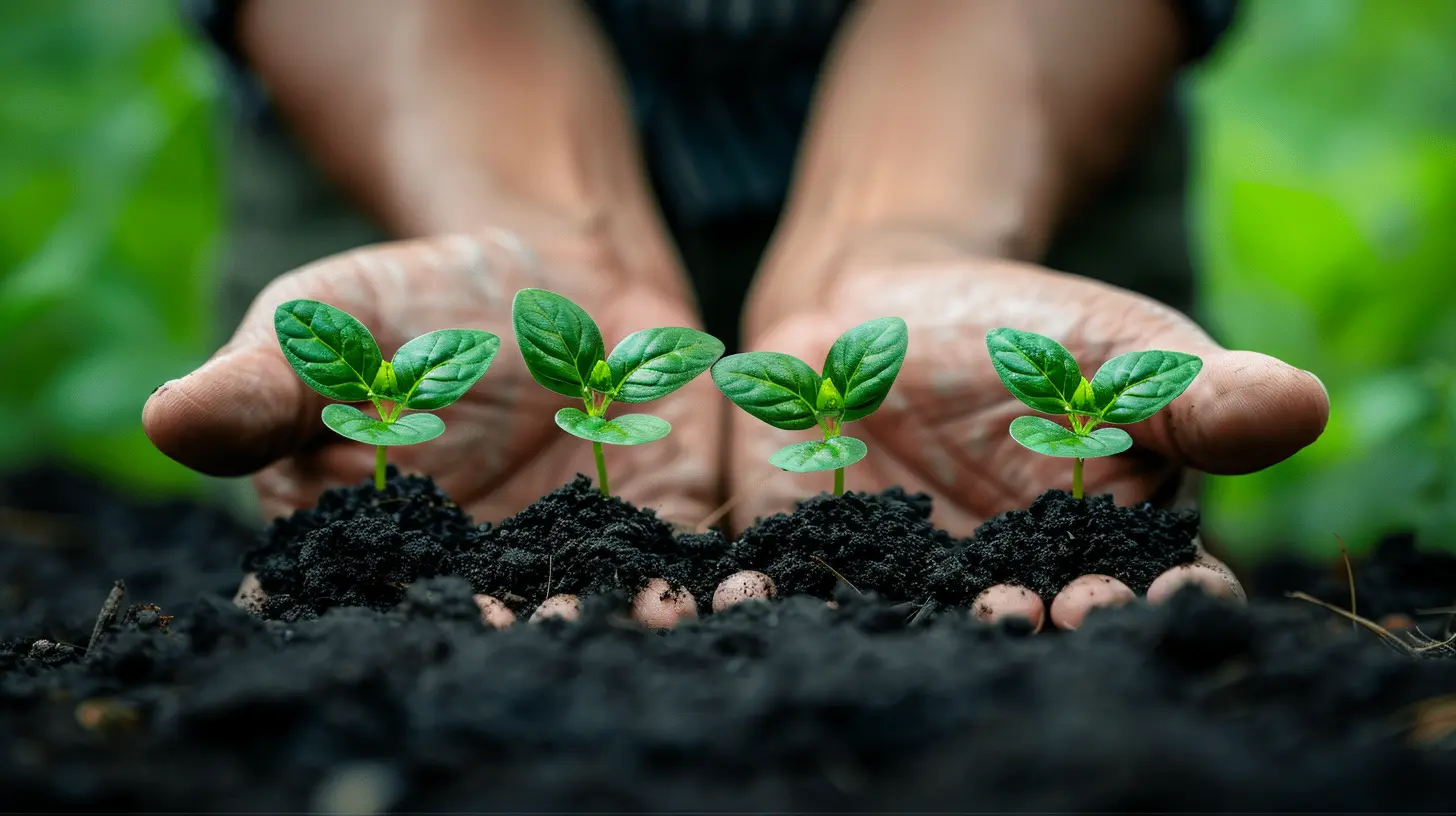
What the Heck Is CSR Anyway?
Let’s start from square one because “Corporate Social Responsibility” sounds like something your accountant whispers during tax season. Basically, CSR is a company’s way of saying: “Hey world, we’re not just about making money — we actually give a hoot about people and the planet too!”It means businesses voluntarily taking steps to improve society and the environment beyond what’s legally required. Think of it like doing extra credit in high school... but for karma points and long-term growth, not just a passing grade.
Why Should Businesses Care? Isn’t Money the Main Thing?
Oh, absolutely — businesses need to make money. Otherwise, there’s no business, just a broke dream and a stack of unpaid invoices. But CSR doesn’t mean you sacrifice profits. On the contrary, it often boosts them.Let me explain. Imagine you have two brands selling the same product. One donates a percentage of proceeds to clean oceans and pays fair wages. The other couldn’t care less if a dolphin chokes on a plastic spoon. Which one gets your money? Yep — the first one. And it’s not just a moral play — customers, especially millennials and Gen Z, are voting with their wallets.
The Feel-Good Factor Meets Cold, Hard Data
Businesses that adopt CSR aren’t just looking good in press releases; they’re also seeing some pretty impressive bottom-line benefits:- Increased Consumer Loyalty: Customers love companies with a conscience. They'll stick around, tell their friends, and even pay a little more.
- Employee Engagement: Happy employees = productive employees. Giving staff a sense of purpose will make them as loyal as a labrador puppy.
- Brand Differentiation: In a sea of sameness, CSR is like showing up to a black-tie event in a sparkly jumpsuit (the good kind). You stand out!
- Investor Magnet: Responsible businesses are seen as less risky — and more sustainable — which is catnip for investors.
Let’s not forget: CSR is the bedrock of your company’s reputation. And reputations, unlike most IKEA furniture, are hard to put together and easy to break.
CSR and Business Development: The Ultimate Power Couple
When done right, CSR isn’t just a side project; it's baked right into your business strategy like chocolate chips in your grandma’s cookies. It affects everything from where you source materials to how you treat employees and engage with your local community.Here’s how CSR drives business development in a big way:
1. Attracting Top Talent (a.k.a. The Unicorns of the Working World)
Great people want to work for great companies. It’s as simple as that. In fact, studies show that job-seekers — especially the younger crowd — actively look for employers that care about the world.If your company is known for its tree-planting Fridays or its commitment to mental health, guess what? You’ll attract employees who are not just talented, but also aligned with your values. That’s a win-win, my friend.
2. Boosting Innovation (a.k.a. Making Old Dogs Learn Cool New Tricks)
When you start thinking about how your business can be more ethical, sustainable, or community-driven, it forces you to think outside the box. Let’s say you’re a sneaker brand. Your CSR initiative could inspire you to develop shoes made of recycled ocean plastic. Boom — you just launched a new product by being a decent human/company hybrid!CSR encourages forward-thinking, which leads to innovation. And innovation, in case you haven’t heard, is pure gold in business development.
3. Expanding Market Access (a.k.a. Going Global with a Hug)
Let’s say you’re a company that’s been doing good in your local scene — maybe supporting underprivileged schools, using ethical labor, or reducing your carbon footprint. That kind of reputation crosses borders.International markets are increasingly sensitive to how companies operate. CSR isn’t just your passport to local success; it's your ticket to global growth. Consumers and governments in other countries are more likely to welcome you with open arms if you’ve got a reputation for playing nice.
4. Strengthening Customer Relationships (a.k.a. Making BFFs with Your Buyers)
Business is all about relationships. People buy from businesses they trust. CSR initiatives make you more relatable and trustworthy.Imagine your brand as a person — would you rather hang out with someone who volunteers on weekends or someone whose idea of fun is polluting rivers? Exactly. CSR humanizes your brand, and in today's fast-paced, overly automated world, that’s like giving your business a soul.
5. Risk Management (a.k.a. Dodging PR Disasters Like a Ninja)
Let’s face it — scandals are bad for business. Ask any fast-food chain that ever got caught doing, well, shady stuff. CSR helps you stay ahead of the curve by identifying potential issues before they explode into front-page news.When your business commits to transparency, ethical behavior, and community involvement, you essentially bulletproof your reputation. Well, maybe not bulletproof... but at least bullet-resistant.
But Wait – Isn’t CSR Expensive?
Short answer: It can be. But it doesn't have to be.Think of CSR like investing in a solid gym membership. Sure, it's a cost now, but the long-term benefits (stronger performance, better health, increased attractiveness to investors/employees/date prospects — okay maybe not that last one) far outweigh the expense.
Some CSR actions, like reducing waste, actually save money. Others, like charitable donations, might require a budget — but consider it a marketing spend with side benefits like press attention and customer love.
Real-Life CSR Success Stories (a.k.a. Proof It’s Not Just Fluff)
Still skeptical? Let’s look at a few rockstars of the CSR world:- Patagonia: The outdoor apparel company donates 1% of its sales to environmental causes. They also encourage customers to repair instead of replace. Guess what? Their brand loyalty is through the roof.
- TOMS Shoes: For every pair of shoes bought, they gave one to someone in need. It helped the brand explode and created a loyal fanbase. (They’ve since shifted to a more sustainable give-back model, but the impact remains.)
- Ben & Jerry’s: Aside from making legendary ice cream, they advocate for everything from racial justice to climate change. People don’t just eat their Chunky Monkey — they believe in the brand's mission.
These aren’t just feel-good stories. These are case studies in how CSR can supercharge your business.
How to Start Your CSR Journey (Without Losing Your Mind)
Ok, so you’re onboard. You want your business to do good and do well. Where do you start?Step 1: Choose a Cause That Makes Sense
Don’t just hop on the trend of the week. Pick a cause that connects with your brand. If you’re a coffee brand, support fair trade farming. If you’re a tech company, maybe help bridge the digital divide.
Step 2: Start Small, Think Big
You don’t need a billion-dollar fund to launch your first CSR project. Start with something manageable — host a charity event, volunteer locally, switch to eco-friendly packaging.
Step 3: Be Transparent and Consistent
Share what you're doing — on your website, on social media, even in newsletters. But don’t fake it. Greenwashing (pretending to be socially responsible) will backfire faster than you can say “boycott.”
Step 4: Make It Part of Your Culture
CSR shouldn’t live in a dusty file folder labeled “Marketing Gimmicks.” It should run through your company DNA. Train your team, get feedback, and let everyone take ownership.
In Conclusion: CSR Isn’t Just “Nice to Have” — It’s the Secret Sauce
If there's one thing to take away from all this jabber, it’s this: CSR isn’t just about saving whales or hugging trees (though whale-hugging sounds pretty magical). It's a strategic approach that can seriously turbocharge your business development.From attracting top talent to winning over customers and outshining your competitors, CSR is like that multi-tool gadget you didn’t realize you needed until you actually used it. And once you do, there's no going back.
So if you’re still on the fence, remember this: In a world full of businesses trying to scream the loudest, being the one that listens, cares, and acts responsibly? That’s the one people remember.
all images in this post were generated using AI tools
Category:
Business DevelopmentAuthor:

Ian Stone
Discussion
rate this article
2 comments
Blake King
This article beautifully highlights the profound connection between corporate social responsibility (CSR) and business growth. It’s inspiring to see how ethical practices can drive not only profitability but also positive community impact. Embracing CSR truly enhances a company's reputation and fosters long-term relationships with customers and stakeholders. Thank you for sharing these valuable insights!
April 26, 2026 at 2:56 AM
Ian Stone
Thank you for your thoughtful comment. I'm glad you found the connection between CSR and business growth inspiring. It's encouraging to see more companies embracing these values for lasting positive change.
Paxton McIlroy
Corporate Social Responsibility is not just an obligation; it's a strategic advantage that drives business growth and fosters long-term consumer loyalty. Embrace it.
April 5, 2026 at 11:13 AM
Ian Stone
Thank you for highlighting the strategic benefits of Corporate Social Responsibility! It’s indeed a powerful driver for sustainable growth and consumer loyalty.