The Intersection of Change Management and Organizational Development
6 July 2026
Let’s face it—change is the only constant in business. Markets shift, customer expectations evolve faster than a TikTok trend, and technology never stops throwing curveballs. Amid this chaos sits a power couple that thrives on momentum and reinvention: Change Management and Organizational Development (OD). They're the Batman and Robin of the business world—different roles, same mission.
Now you might be thinking, “Aren’t they the same thing?” Great question. While they often work hand-in-hand, their goals, methods, and impact zones are distinct. But hold up—when these two disciplines intersect? Magic happens.
Ready to unpack this dynamic duo and how they can transform your workplace from “meh” to magnificent? Grab a coffee and let’s dive in.
What is Change Management, Anyway?
Alright, let’s not overcomplicate it. Change Management is like the GPS guiding your business through unfamiliar terrain. It's all about helping people (yes, actual humans) navigate from Point A (current state) to Point B (new state) without making them want to jump ship.It involves planning, communicating, training, and supporting people through the pain and puzzle of change. Think mergers, leadership shake-ups, system upgrades—basically, anything that makes people say, “Wait, we’re doing what now?”
Key Ingredients of Change Management:
- Clear communication (no corporate jargon, thank you very much)- Leadership support (they’ve got to walk the talk)
- Training and development
- Feedback loops (because, hey, people have opinions)
In short, change management is the art and science of making transitions suck a little less.
So What’s Organizational Development?
Organizational Development (OD) is the long game. It's like hitting the gym for your company—focused on continuous improvement, building strength, and increasing flexibility (minus the sweat and resistance bands).OD is a systematic approach that aims to improve an organization’s capacity through strategic planning, culture enhancement, leadership development, and team dynamics. It’s about shaping a workplace where people thrive and grow—not just survive the next big change.
Typical OD Goals:
- Boosting employee engagement- Creating high-performing teams
- Strengthening organizational culture
- Enhancing leadership capabilities
- Aligning structures with strategy
Where Change Management is often reactive (“Crisis! Implement solution!”), OD is proactive (“Let’s be better before we have to be”).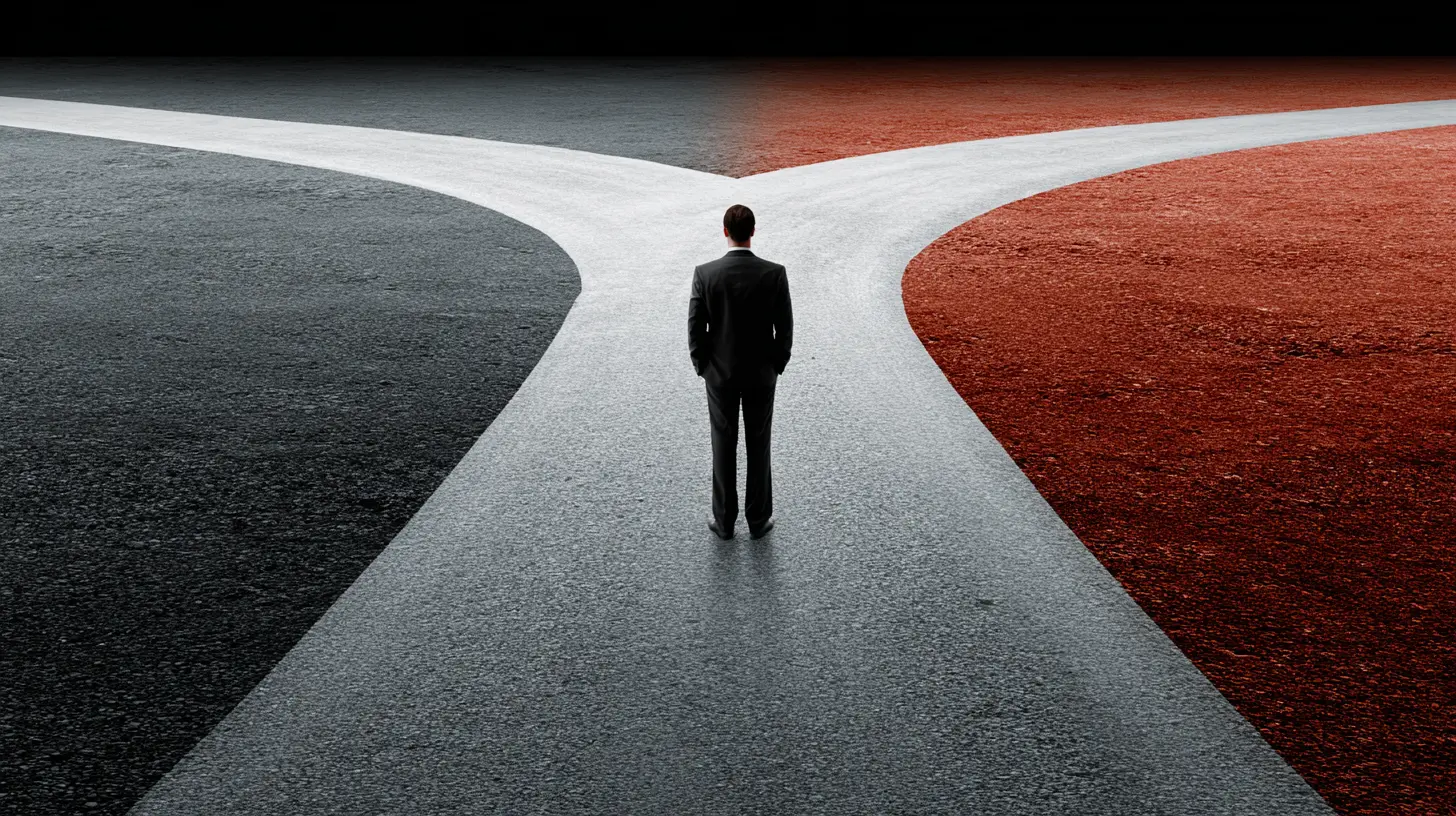
The Relationship Status: It’s Complicated… But Beautiful
Here’s where it gets spicy. Change Management and Organizational Development aren't twins, but they’re certainly siblings. They share the same DNA: transformation. But they approach it from different angles.Change Management is the sprinter—it tackles specific initiatives with immediate goals. OD, on the other hand, is the marathon runner—its impact is deeper and longer lasting.
When they intersect, you get a comprehensive strategy that not only executes change but builds the internal muscle to keep growing and adapting. It’s like updating your iPhone and teaching yourself how to code. Powerful stuff.
Where They Intersect:
- People-focused transformation: Neither works without considering your people.- Communication and culture: Both rely on trust, clarity, and openness.
- Leadership alignment: No transformation survives without leadership on board.
- Sustainability: Change should stick, not slip—and OD helps cement it.
So, while they can exist separately, they’re so much better together. Like peanut butter and jelly. Or spreadsheets and coffee.
Real Talk: Why This Intersection Matters (Like, A Lot)
Let’s cut to the chase. Businesses that blend Change Management and OD don’t just survive—they lead. Why? Because they’re not just managing change; they’re building an environment where change is part of the organizational DNA.Imagine this: Your company rolls out a shiny new tech system. Change Management swoops in, teaches everyone how to use it, smooths the rollout, and minimizes chaos. Boom. Done.
Now, imagine OD is also in the picture. Instead of just learning the new tool, employees understand why the change matters, how it fits into long-term goals, and feel motivated to innovate using it. The culture evolves to embrace improvements. People feel empowered, not just instructed.
See the difference?
Signs You Need Both (Spoiler: You Probably Do)
You might be thinking, “But does my organization really need both?” If you’re experiencing any of the following, the answer is a resounding YES:- You’re introducing new technologies, processes, or policies—and people are panicking.
- Employee engagement is lower than a limbo stick at a beach party.
- Your leadership team says “transformation” but behaves like it’s 1997.
- Team collaboration feels more like a tug-of-war than a dance party.
- You’re rolling out change after change—but nothing seems to stick.
When your organization feels like a game of whack-a-mole, it’s time to call in both Change Management and OD.
Best Practices at the Intersection
Blending Change Management with OD isn’t just throwing tools in a toolbox and hoping something works. It's crafting a strategy where each discipline amplifies the other. Here’s how to nail it:1. Align Change with Organizational Goals
Don’t change for change’s sake (please). Every initiative should connect back to the organization’s mission and long-term plans. OD sets the vision; Change Management paves the path.2. Involve People Early and Often
Want your team to buy into change? Let them inside the kitchen. Ask for feedback, involve them in design, and never underestimate the power of “We built this together.”3. Build Change Readiness into Your Culture
Create a culture that doesn’t fear change—it welcomes it. Train leaders to champion transitions. Reward adaptability. Celebrate experimentation. Thank you, OD.4. Measure Both Short-Term Wins and Long-Term Growth
Change Management is great at checking boxes: Was the rollout smooth? Did people attend the training? But OD wants to know: Are we better off three months later? A year later?Use metrics that capture both.
5. Communicate with Heart
If your people feel like they’re reading robot scripts—or worse, corporate speak—they’ll tune out. Combine Change Management’s communication plans with OD’s people-first approach to speak like humans to, well, humans.Real-World Example: A Makeover That Stuck
Let’s take a (totally fictional but totally relatable) company: StellarTech.They were expanding fast, merging with another tech firm. Cue the chaos: new systems, new teams, new processes—oh my. Their initial approach? Send out some emails. Hold a few town halls. Hope for the best.
Spoiler alert: didn’t work.
So, they brought in a combo approach. Change Management stepped in to handle the transition logistics—training schedules, communication plans, stakeholder mapping. Meanwhile, OD experts redesigned team structures, offered leadership coaching, and reshaped company culture from competitive to collaborative.
The result? Not only did the merger roll out smoothly, but employee satisfaction soared, productivity improved, and StellarTech actually became more innovative post-merger.
Nothing short of a glow-up.
Final Thoughts: The Future Loves Flexible Companies
Let’s be honest—if your organization can’t handle change, it won’t be around for long. That’s not doom and gloom—it’s just reality. But thriving in change doesn’t come from duct-taping a few initiatives together.It comes from intentional alignment of vision (OD) and action (Change Management). It’s about building an organization that bounces back, pushes forward, and runs on both structure and soul.
So, the next time your company is gearing up for change, don’t just hire a project manager and call it a day. Think about the muscle behind the move. Think about the culture that needs shaping. Think of Change Management and OD not as separate disciplines, but as co-pilots on your journey to greatness.
Change is coming. Build the structure and spirit to embrace it.
all images in this post were generated using AI tools
Category:
Change ManagementAuthor:

Ian Stone
Discussion
rate this article
1 comments
Joel Graham
Change is like a dance-sometimes you stumble, but with the right rhythm of management and development, everyone ends up moving in harmony. Let's groove!
July 16, 2026 at 12:38 PM