The Intersection of Data Science and Business Analytics: Key Insights
24 March 2026
Data science and business analytics—two buzzwords that have been floating around boardrooms, LinkedIn profiles, and job descriptions like confetti at a wedding. But what do they actually mean? And more importantly, how do they work together to drive businesses forward?
Let’s break it down in a way that won’t put you to sleep. Think of data science as the Sherlock Holmes of numbers—detecting patterns, solving mysteries, and making sense of information. Meanwhile, business analytics is the Watson—translating findings into strategic decisions. When these two join forces, companies can make smarter moves, outpace competitors, and yes, even predict the future (well, sort of).
So, buckle up! We’re about to take a deep dive into how data science and business analytics intersect and why that matters for businesses aiming to stay ahead. 
Data Science vs. Business Analytics: Same Thing or Different?
Before we get too deep, let’s clarify one thing—data science and business analytics are not the same, even though people often use them interchangeably. It’s like comparing coffee and espresso: they share similarities, but they serve different purposes.- Data Science: This field focuses on collecting, cleaning, analyzing, and interpreting large volumes of data using algorithms, machine learning models, and statistical techniques. The goal? To uncover hidden patterns and predict future trends.
- Business Analytics: This is more about using data to drive business decisions. It relies on historical data, reporting, and dashboards to inform strategies, optimize operations, and improve overall performance.
Now, here’s where things get interesting—these two disciplines don’t compete; they complement each other! 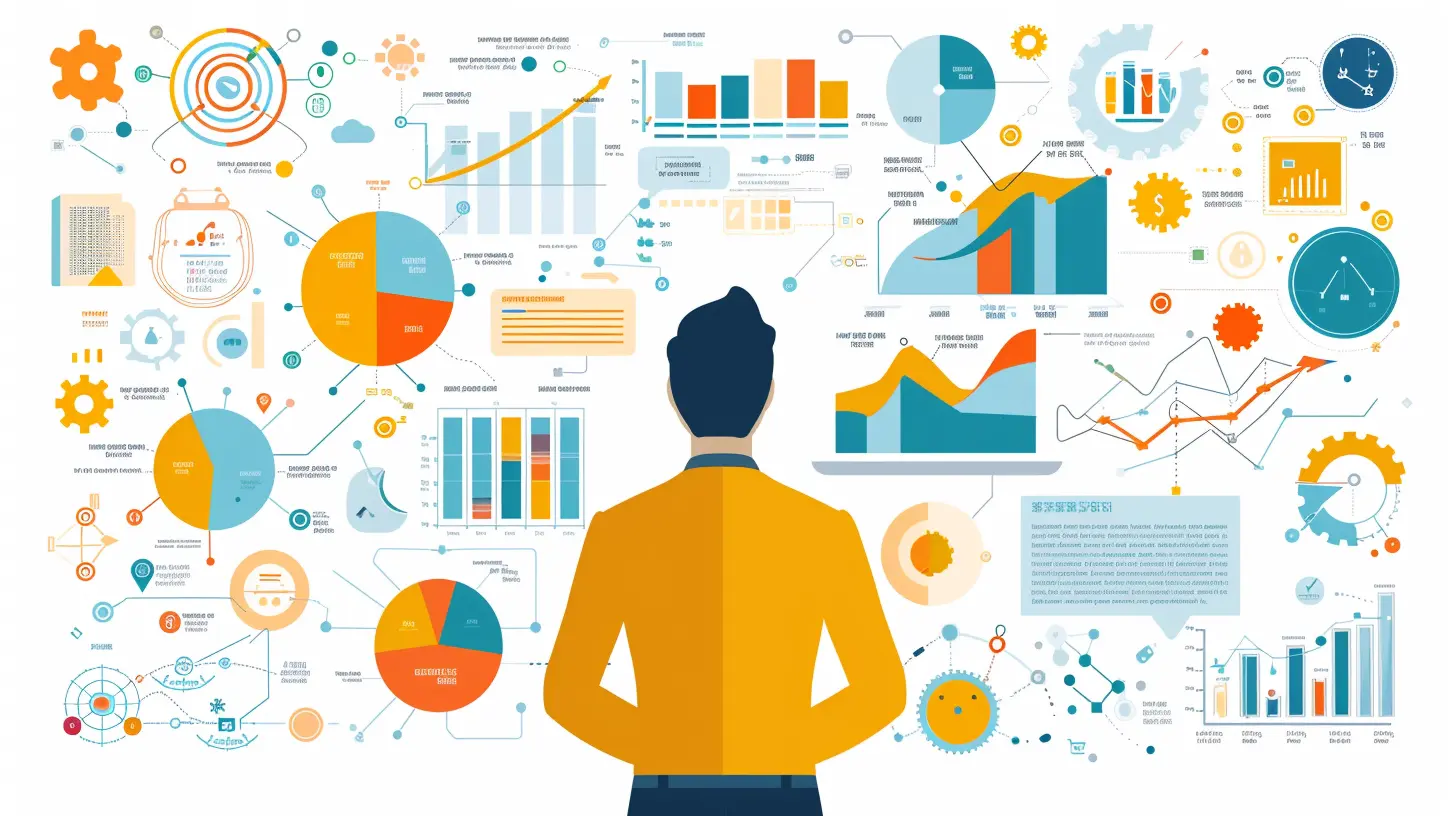
How Data Science and Business Analytics Work Together
Imagine you're running an online store. You notice a dip in sales, and you want to figure out why. This is where data science and business analytics join forces like Batman and Robin.- Step 1: Data Collection & Processing
Data science jumps in first, gathering structured and unstructured data from various sources—website logs, social media mentions, past transactions, customer reviews, etc.
- Step 2: Identifying Patterns
Using machine learning models and predictive analytics, data science detects trends—maybe customers abandon carts more often at checkout, or perhaps a competitor just launched a killer promotion.
- Step 3: Making Sense of It All
Business analytics takes these insights and translates them into action. Should you tweak pricing? Improve your website's UX? Offer discounts? Business analytics helps executives make informed decisions.
It’s a seamless partnership—data science uncovers the what and why, while business analytics focuses on the how. 
Key Insights: Why This Intersection Matters
Now that we’ve established the dynamic duo that is data science and business analytics, let’s talk about why this matters in the real world.1. Better Decision-Making (No More Guesswork!)
Gone are the days of relying solely on gut feelings. With data science providing insights and business analytics applying them, companies can make well-informed choices backed by solid numbers.For example, Netflix doesn’t randomly create shows. Its recommendation algorithms analyze viewer behavior, while business analysts determine the type of content audiences crave. Voilà—binge-worthy content, every time.
2. Predicting Customer Behavior (Like a Crystal Ball, But Better)
Wouldn’t it be amazing if businesses could predict what customers want before they even know it? Well, they kind of can—thanks to predictive analytics.E-commerce giants like Amazon leverage data science to analyze customer behaviors and suggest products they’re likely to buy. Meanwhile, business analytics ensures that pricing, marketing campaigns, and promotions align with those insights.
3. Optimizing Operations (Because Wasted Time = Wasted Money)
Think about a logistics company managing thousands of deliveries daily. Data science can analyze patterns to suggest the most efficient routes. Business analytics then takes that data to reduce costs, improve workflows, and boost overall efficiency.From inventory management to HR staffing, this intersection helps businesses stay lean and effective.
4. Competitive Advantage (Stay Ahead of the Game)
Want to crush the competition? Businesses that rely on data science and business analytics gain critical insights into market trends, customer demands, and competitor strategies.For instance, Airbnb continuously analyzes booking patterns to adjust pricing dynamically, ensuring they stay competitive against traditional hotels and other rental platforms.
5. Risk Management & Fraud Detection (Because No One Likes Losing Money)
Financial institutions use machine learning algorithms to detect suspicious transactions in real time. Business analysts then step in to establish policies and strategies that minimize risks and financial losses.Ever received a message from your bank asking, Did you just make this purchase? That’s data science and business analytics working their magic. 
Challenges of Integrating Data Science and Business Analytics
Of course, it’s not all sunshine and rainbows. Businesses often face hurdles when trying to merge data science with business analytics.1. Data Overload (Too Much of a Good Thing)
With the sheer amount of data available, businesses can sometimes drown in information. Without clear goals, all that data becomes overwhelming and, frankly, useless.2. Lack of Expertise
Finding professionals who understand both data science and business analytics is tricky. Data scientists may be great at building models but might lack a business mindset. On the other hand, business analysts might struggle with coding and machine learning. Finding the right blend of talent is crucial.3. Integration Issues
Many companies operate with outdated legacy systems that don’t play well with modern data technologies. Getting systems to communicate effectively is often a headache.4. Cost Factor
Let’s be real—hiring data scientists, investing in AI-driven analytics tools, and maintaining a robust data infrastructure isn’t cheap. Businesses need to weigh the costs versus the long-term benefits.The Future of Data Science and Business Analytics
Where is all of this headed? Well, let's just say we're only scratching the surface.- AI-Powered Automation – Expect AI to take on more repetitive analytical tasks, allowing human analysts to focus on strategic decision-making.
- More Personalization – Businesses will continue refining customer experiences, making interactions more seamless and tailored.
- Real-Time Analytics – Faster data processing means businesses will react to changes instantly instead of waiting days or weeks for reports.
- Greater Emphasis on Ethics – With more data comes greater responsibility. Companies will need to ensure privacy, security, and ethical usage of customer information.
In short, the intersection of data science and business analytics isn’t just a trend—it’s the future. And businesses that embrace this synergy will have a serious edge over those still relying on old-school methods.
Final Thoughts
At the end of the day, businesses don’t succeed by luck. They succeed by understanding numbers, predicting trends, and making data-driven moves. By combining data science’s analytical power with business analytics’ strategic insights, companies can not just survive—but thrive.So, whether you’re a startup founder, a seasoned executive, or just a curious data nerd, one thing is clear—this intersection is where the magic happens. And if you're not leveraging it, you’re leaving money (and opportunity) on the table.
Now, what’s your business doing with its data?
all images in this post were generated using AI tools
Category:
Business AnalyticsAuthor:

Ian Stone
Discussion
rate this article
2 comments
Harmony Castillo
This article effectively highlights how data science enhances business analytics, driving strategic decision-making and innovation.
April 9, 2026 at 5:03 AM
Michelle Thornton
Unseen patterns reveal secrets; data whispers what’s next.
March 25, 2026 at 4:10 AM
Ian Stone
Absolutely, the subtle signals in data often guide us toward unforeseen opportunities. Listening closely can unlock significant insights for businesses.