The Role of Predictive Market Research in Strategic Planning
21 January 2026
Ever wondered how some businesses consistently stay ahead of the curve while others struggle to keep up? The secret lies in predictive market research. In today’s fast-paced world, making business decisions based on gut feelings just doesn’t cut it anymore. Companies need hard data, actionable insights, and a clear vision of what the future holds. That’s where predictive market research comes into play.
But what exactly is it? And how can it shape strategic planning for businesses looking to thrive in an unpredictable market? Let’s dive deep into this game-changing approach. 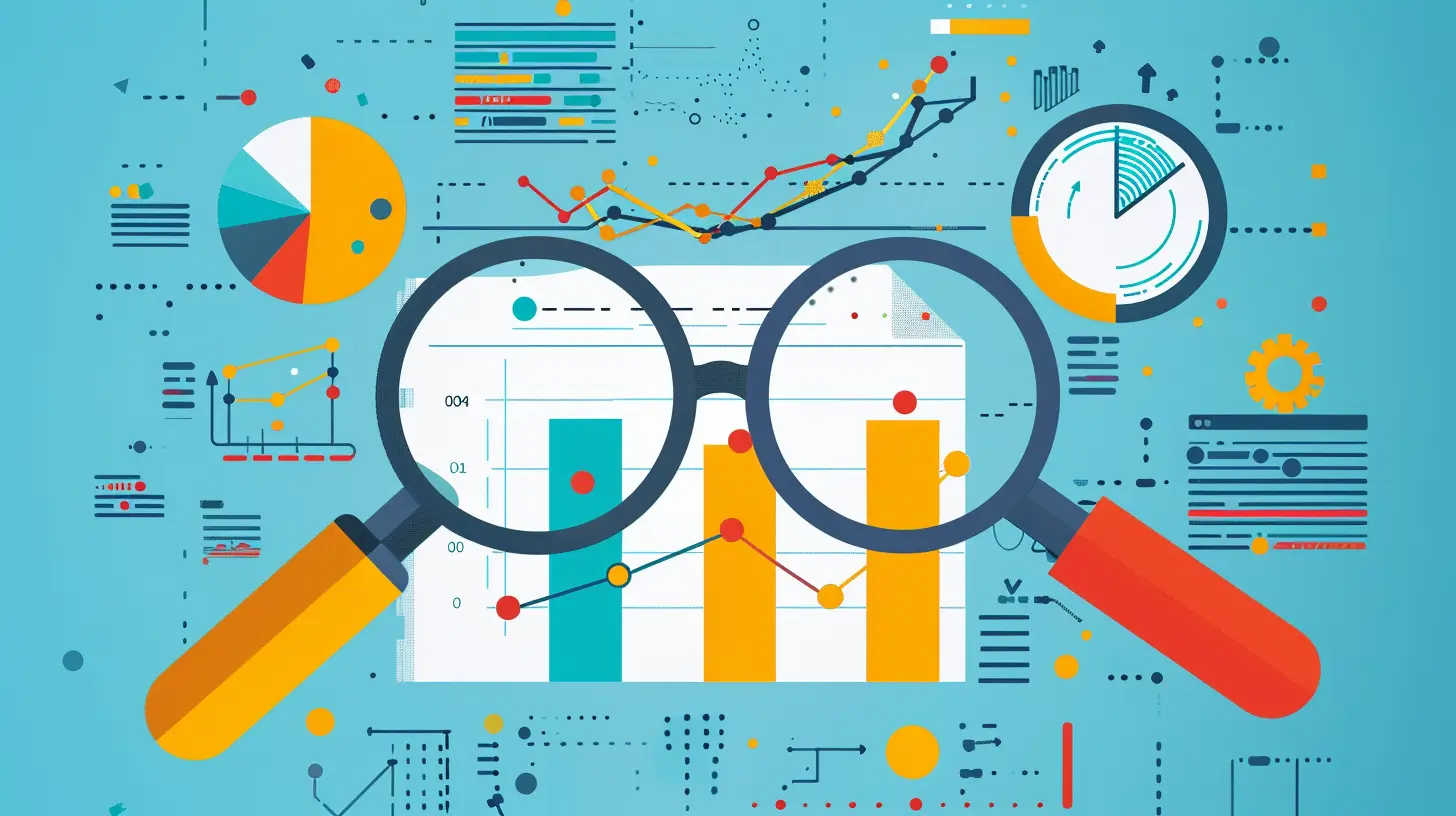
What Is Predictive Market Research?
Think of predictive market research as a crystal ball—but instead of magic, it’s powered by data, analytics, and artificial intelligence. It involves gathering insights from past market trends, customer behaviors, and industry patterns to forecast future demands, preferences, and challenges.It’s not about guessing what might happen. It’s about analyzing solid data to make informed projections that can shape business strategies.
How Is It Different from Traditional Market Research?
Traditional market research focuses on what’s happening now or what’s happened in the past. It relies heavily on surveys, focus groups, and historical data. While useful, this approach lacks foresight.Predictive market research, on the other hand, focuses on the future. It uses data-driven models, machine learning, and AI to anticipate future trends and consumer behaviors before they even materialize.
For businesses, this means they can stay ahead of competitors, anticipate risks, and seize new opportunities before the market even realizes they exist. 
Why Does Predictive Market Research Matter in Strategic Planning?
Strategic planning is all about making informed decisions that drive long-term success. Without reliable forecasts, businesses risk investing time and resources in initiatives that might flop.Here’s how predictive market research plays a pivotal role:
1. Reduces Uncertainty and Risk
Business decisions are inherently risky. Will a new product succeed? Will the market demand sustain profitability? Instead of gambling on assumptions, predictive research answers these questions with data-backed insights.By identifying potential threats and challenges in advance, companies can prepare contingency plans and mitigate risks before they escalate.
2. Enhances Consumer Understanding
Customers are unpredictable—what they love today might bore them tomorrow. Predictive models use past purchase behaviors and engagement patterns to anticipate shifts in consumer trends.For example, an e-commerce store can use predictive analytics to determine which products will be in high demand during the holiday season—way before customers start shopping.
3. Optimizes Marketing Strategies
What if businesses could tailor their marketing campaigns based on what customers will want, rather than what they currently like? That’s exactly what predictive market research enables.By analyzing past interactions, businesses can:
- Personalize marketing messages
- Identify the most effective channels
- Forecast trends that impact buying decisions
This ensures higher engagement, better conversions, and lower marketing costs.
4. Improves Product Development
Developing a new product is a massive investment. Without proper market insights, businesses risk launching something that nobody wants.Predictive research helps companies:
- Identify gaps in the market
- Forecast demand for new solutions
- Understand customer pain points before innovation begins
This means businesses can create products that people actually need, increasing the likelihood of success.
5. Provides Competitive Advantage
The business world is like a game of chess—those who can anticipate their competitor’s next move have the upper hand. Predictive market research helps brands:- Benchmark against competitors
- Identify emerging threats
- Spot market opportunities before others do
Companies like Amazon, Netflix, and Google thrive because they understand their audience’s future desires, not just their current ones. 
How Predictive Market Research Works
So, how does all of this actually happen? It all comes down to data, technology, and statistical models.1. Data Collection
It starts with gathering massive amounts of data from various sources, including:- Customer surveys and feedback
- Purchase history and behavioral data
- Market trends and competitive analysis
- Social media conversations and online discussions
The more data available, the more accurate the predictions.
2. Data Analysis & Pattern Recognition
Next, advanced algorithms and AI analyze the data to:- Identify recurring trends
- Spot emerging consumer behaviors
- Determine which factors drive purchase decisions
Think of it like a weather forecast—by studying past patterns, we can predict future conditions.
3. Model Building & Forecasting
Machine learning models use historical data to create accurate market forecasts. These models become smarter over time, learning from new data to improve their predictions.For businesses, this means continual improvement in strategic planning, marketing, and product innovation.
4. Strategy Implementation
Once insights are gathered, businesses can implement strategic initiatives by:- Adjusting pricing strategies
- Refining marketing campaigns
- Tweaking product development based on future consumer needs
Essentially, businesses become proactive rather than reactive. 
Real-World Applications of Predictive Market Research
Still wondering how this applies to real businesses? Let’s look at a few examples:Retail Industry
Retailers use predictive research to forecast seasonal shopping trends. For example, a clothing brand can analyze past purchasing patterns to determine which styles will be most popular next season.Healthcare & Pharmaceuticals
Pharmaceutical companies leverage predictive analytics to anticipate disease outbreaks and drug demands, ensuring they stock up on the right medical supplies before a crisis hits.Finance & Banking
Banks use predictive models to detect fraud trends, prevent security breaches, and analyze market conditions for better investment decisions.Streaming Services (Netflix, Spotify, etc.)
Ever wondered how Netflix suggests the perfect show? That’s predictive analytics at work—analyzing your watching habits to forecast what you’ll enjoy next.Challenges & Limitations of Predictive Market Research
Of course, predictive research isn’t perfect. Like any tool, it has its challenges:1. Data Accuracy & Bias
If the data used is flawed or biased, predictions will be inaccurate. Garbage in, garbage out!2. Rapid Market Changes
While predictions are helpful, unexpected events (like a global pandemic) can disrupt forecasts, making real-time adaptability necessary.3. Implementation Costs
Advanced predictive analytics tools can be expensive. However, companies that invest wisely often see a high return on investment.The Future of Predictive Market Research
With AI and machine learning constantly evolving, predictive market research will only become more precise and valuable. Businesses that embrace this approach will continue to outperform competitors, minimize risks, and maximize opportunities.If you’re not utilizing predictive research yet, it might be time to start. In today’s data-driven world, guesswork is no longer an option.
So, is your business prepared for the future? With predictive market research, you won’t just react to changes—you’ll anticipate them. And that’s how you build a winning strategy.
all images in this post were generated using AI tools
Category:
Market ResearchAuthor:

Ian Stone
Discussion
rate this article
2 comments
Katalina Jones
This article highlights the essential role of predictive market research in strategic planning, emphasizing how data-driven insights can drive effective decision-making and enhance competitive advantage.
February 15, 2026 at 4:43 AM
Ian Stone
Thank you. I'm glad the article resonated—predictive insights truly turn data into a strategic compass.
Layla Stone
Great insights on the power of predictive market research! It's fascinating how leveraging data can truly transform strategic planning. Businesses that embrace these tools will not only stay ahead of the curve but also make more informed decisions. Looking forward to your next article!
January 24, 2026 at 3:56 AM
Ian Stone
Thank you for your kind words! I'm glad you found the insights valuable. Stay tuned for more in-depth discussions!