The Role of Technology in Streamlining Daily Tasks
5 March 2026
Technology has taken over our lives in ways we never imagined. From waking up in the morning to going to bed at night, we rely on technology to make our day smoother. Whether it’s automating simple tasks, improving communication, or helping us manage our schedules, technology has become our personal assistant.
But, have you ever stopped to think about how much time and effort technology actually saves us every single day? Let’s dive into how technology has revolutionized our daily tasks and made life more efficient. 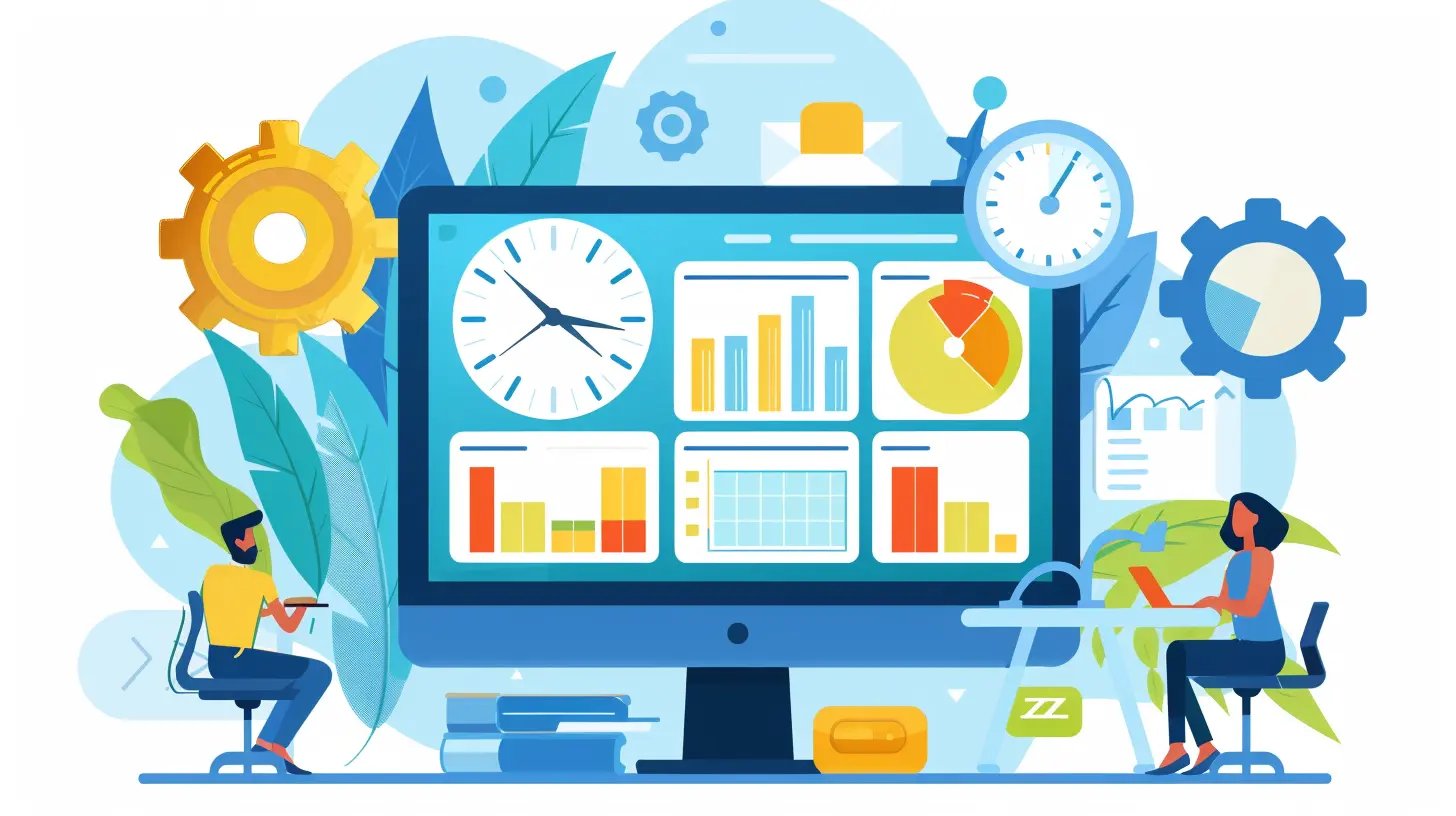
How Technology Simplifies Our Daily Lives
The primary purpose of technology is to make things easier, right? Well, it does exactly that! From smart devices to automation tools, we are constantly surrounded by innovations that help us get tasks done faster and more efficiently.
1. Smart Home Devices – Managing Your Home with Ease
Imagine waking up to a freshly brewed cup of coffee, lights automatically turning on, and your room set to the perfect temperature—all without lifting a finger! Smart home devices have completely transformed the way we manage our homes.- Smart Assistants: Devices like Amazon Alexa, Google Assistant, and Apple’s Siri help control household functions using voice commands.
- Automated Appliances: Smart refrigerators remind you when groceries are running out, robotic vacuum cleaners clean your house while you relax, and smart thermostats adjust temperatures based on your preferences.
- Security Systems: With smart doorbells, security cameras, and remote locks, homeowners can monitor their properties from anywhere.
The convenience these gadgets provide saves us both time and energy, allowing us to focus on more important things.
2. Time Management and Productivity Apps
Ever feel like 24 hours just aren’t enough? Technology has a solution for that too! Productivity apps keep us on track, ensuring we use our time wisely.- To-Do List Apps: Apps like Todoist and Microsoft To-Do help break down tasks into manageable steps.
- Calendar & Scheduling Tools: Google Calendar and Outlook keep schedules organized, send reminders, and even prevent scheduling conflicts.
- Task Automation: Zapier and IFTTT (If This Then That) automate repetitive tasks, like sending emails or updating spreadsheets, freeing up time for more important work.
Gone are the days of missing appointments or struggling to juggle tasks—technology keeps us efficient!
3. Improved Communication – Staying Connected Effortlessly
Remember when sending a letter took days or even weeks? Thankfully, those days are long gone! Now, whether it’s for work, socializing, or family connections, technology keeps us in touch instantly.- Instant Messaging & Video Calls: WhatsApp, Zoom, Microsoft Teams, and Slack allow instant connection, making remote work and social interactions smooth.
- Email Management Tools: AI-powered filters help sort important emails and unsubscribe from spam, keeping inboxes clutter-free.
- Voice Assistants & AI Chatbots: Businesses use chatbots to provide instant customer support, reducing wait times and improving service.
Effortless communication means we can connect with people faster, improving both personal and professional relationships.
4. Online Banking and Financial Management
Gone are the days of waiting in long lines at the bank. Thanks to online banking and financial technology (fintech), managing money has never been easier.- Mobile Banking Apps: Check balances, transfer money, and pay bills from your phone in seconds.
- Budgeting & Expense Tracking: Apps like Mint and YNAB (You Need a Budget) categorize spending and provide insights into financial habits.
- Automated Savings & Investments: Robo-advisors like Acorns and Wealthfront automatically invest spare change, helping users grow wealth effortlessly.
Financial management is no longer a stressful process—technology turns it into a seamless part of daily life.
5. Online Shopping and Contactless Payments
Let’s face it—shopping has never been more convenient. With just a few clicks (or even a voice command), you can have anything delivered to your doorstep.- E-Commerce Platforms: Amazon, eBay, and Shopify make online shopping accessible 24/7.
- Subscription Services: From groceries to pet food, automatic deliveries ensure you never run out of essentials.
- Contactless Payments: Mobile wallets like Apple Pay, Google Pay, and PayPal make purchases quick, secure, and hassle-free.
No need to stand in lines or fumble with cash—technology has made shopping faster and more convenient than ever.
6. Health & Fitness Tracking – Staying Fit with Smart Tech
Taking care of your health has never been easier, thanks to technology that helps monitor fitness and well-being.- Wearable Devices: Smartwatches like Fitbit and Apple Watch track steps, heart rate, and even sleep patterns.
- Fitness Apps: MyFitnessPal and Strava provide personalized workout and diet plans.
- Telemedicine: Platforms like Teladoc and Doctor on Demand allow virtual doctor visits, reducing the need for in-person appointments.
With these tools, maintaining good health becomes part of your daily routine, rather than a daunting challenge.
7. Entertainment on Demand – A World of Content at Your Fingertips
Remember when you had to wait for your favorite TV show to air? Thanks to streaming services, we can now watch what we want, when we want.- Streaming Platforms: Netflix, Hulu, and Disney+ offer instant access to movies and shows.
- Music Streaming Services: Spotify, Apple Music, and Pandora let you listen to your favorite songs anytime.
- Reading & Audiobooks: Kindle, Audible, and digital libraries provide books instantly without needing a physical copy.
Entertainment on demand means no more waiting or unnecessary expenses—just instant gratification. 
The Downsides of Technology – Are We Too Dependent?
While technology makes life easier, it’s worth considering the flip side. Are we becoming too reliant on it?- Decreased Physical Activity: With automation handling everything, people are moving less, leading to health concerns.
- Privacy & Security Risks: Increased use of smart devices means more personal data is at risk of cyber threats.
- Overstimulation & Digital Addiction: Constant notifications, social media, and screen time can lead to burnout and anxiety.
It’s all about balance—using technology wisely without letting it take over every aspect of life. 
Final Thoughts
Technology has undeniably transformed our daily lives, making tasks easier, faster, and more efficient. From managing schedules and finances to improving communication and entertainment, the benefits are endless.However, it’s essential to use technology responsibly—embracing its convenience while being mindful of its impact. By striking the right balance, we can enjoy the best of both worlds: a streamlined, efficient life while staying in control of our well-being.
So, what’s your take? Has technology made your life easier, or do you think we’re too dependent on it? Let us know in the comments!
all images in this post were generated using AI tools
Category:
Workplace ProductivityAuthor:

Ian Stone
Discussion
rate this article
2 comments
Caleb Roth
Embracing technology is the key to transforming our daily routines! By leveraging innovative tools, we can enhance productivity, reduce stress, and unlock time for what truly matters. Let's harness these advancements to simplify our tasks and elevate our potential every day!
March 22, 2026 at 3:54 AM
Ian Stone
Absolutely! Embracing technology can revolutionize our daily lives, making us more efficient and allowing us to focus on what truly matters.
Elidi Campbell
Embracing technology in daily tasks not only enhances efficiency but also empowers teams to focus on strategic growth. By integrating innovative tools, businesses can foster creativity and collaboration, ultimately paving the way for greater success and adaptability.
March 8, 2026 at 5:28 AM
Ian Stone
Thank you for your insightful comment! I completely agree that leveraging technology boosts efficiency and creativity, enabling teams to concentrate on strategic growth and adaptability.