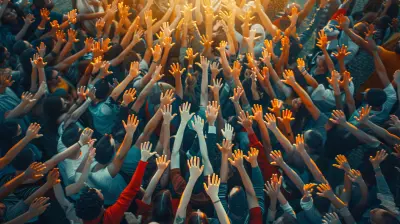
Why Authenticity Will Define Brand Success in 2027
11 May 2026
Let me ask you something. When was the last time you bought something because the ad told you to, rather than because you trusted the person or brand behind it?
If you paused, that's the point. The old rules of marketing are crumbling. By 2027, the brands that survive won't be the loudest, the cheapest, or the most polished. They'll be the ones that bleed realness. Authenticity isn't just a buzzword anymore-it's the only currency that matters in a world drowning in noise, filters, and AI-generated fluff.

The Death of the Perfect Facade
We've all seen it. The stock photo of a smiling team in a sterile office. The polished mission statement that sounds like it was written by a committee of robots. The social media feed with zero flaws, zero mistakes, zero humanity. Consumers are tired of it. In fact, they're allergic to it.Think about the last time you scrolled past a brand's Instagram post. Did you stop? Probably not, unless something felt real. By 2027, the gap between curated perfection and genuine connection will be a chasm. People are craving imperfection. They want to see the messy behind-the-scenes, the founder who admits they screwed up, the product shot that isn't Photoshopped to death.
Here's the hard truth: You can't fake authenticity. You can't manufacture trust. And if you try, your audience will sniff it out faster than a lie at a family dinner. The brands that win will be those that stop performing and start being.
Why 2027 Is the Turning Point
Why 2027? Because the stars are aligning. AI is generating content faster than we can consume it. Deepfakes are blurring the line between real and fake. Social media algorithms are rewarding raw, unpolished video over slick productions. And Generation Z-who will be the dominant consumer force by then-has a built-in BS detector that's sharper than a razor.These digital natives grew up with curated feeds and influencer scandals. They've seen the mask slip. They know when a brand is trying too hard. They value transparency over perfection. A 2023 study showed that 88% of consumers say authenticity is a key factor in deciding which brands to support. By 2027, that number will be closer to 100%.
But here's the kicker: Authenticity isn't a strategy you can turn on like a light switch. It's a culture. It's a mindset. It's the way you treat your employees, the way you handle a crisis, the way you talk to customers when no one is watching. If you're not authentic now, you can't fake it by 2027.
The Three Pillars of Brand Authenticity
Let me break this down into something you can actually use. Authenticity in business isn't some mystical force. It's built on three concrete pillars. Miss one, and the whole thing wobbles.1. Radical Transparency
This isn't just about showing your supply chain or your pricing. It's about owning your mistakes. It's about saying, "We got this wrong, and here's how we're fixing it." Think of it like a relationship. If your partner never admits fault, you don't trust them. Same with brands.Patagonia is a master here. They literally tell customers not to buy their jackets unless they need them. That's not a sales tactic-it's a philosophy. By 2027, consumers will reward brands that share their failures as openly as their wins. They want to know the coffee you sell comes from a farmer paid fairly, not a factory farm. They want to see the real faces behind the logo, not a stock photo.
2. Consistent Human Voice
Have you ever read a brand's social media post and thought, "This sounds like a robot wrote it"? That's the kiss of death. By 2027, AI will be writing most generic copy. The brands that stand out will be the ones that sound like actual people.This means ditching corporate jargon. No more "leveraging synergies" or "optimizing stakeholder value." Talk like a human. Use contractions. Crack a joke. Admit when you're nervous. Think of your brand voice as a friend you'd grab coffee with-not a suit in a boardroom.
I once worked with a small bakery that posted a photo of a burnt cake with the caption, "We messed up. But we learned." That post got more engagement than a month of polished product shots. Why? Because it felt real. It felt like a person, not a brand.
3. Values That Show Up
It's easy to slap a rainbow flag on your logo during Pride Month. It's harder to actually pay your LGBTQ+ employees equally or support local queer organizations year-round. Authenticity is about alignment between what you say and what you do.By 2027, consumers will scrutinize every action. They'll check your hiring practices, your environmental footprint, your community involvement. If your values are just marketing copy, you'll be exposed. But if you genuinely care about something-and act on it-people will flock to you.
Take a brand like Allbirds. They built an entire company around sustainability. They don't just talk about it; they measure their carbon footprint and share the data publicly. That's not a gimmick. That's a commitment. And it's why they have a loyal following.

The Authenticity Paradox: Vulnerability as Strength
Here's the counterintuitive part: Being vulnerable actually makes you stronger. Most brands are terrified of showing weakness. They think it'll hurt sales. But the opposite is true.Think about the most trusted people in your life. Are they the ones who pretend to have it all together? Or the ones who say, "I don't know," or "I'm scared," or "I need help"? That's the same for brands.
Consider the 2024 "Maple Syrup" crisis at a Canadian food company. They had a batch go bad. Instead of hiding it, they put out a video of the CEO pouring the syrup down the drain, apologizing, and offering full refunds. The video went viral-not because of the mistake, but because of the honesty. Sales actually increased the next quarter.
By 2027, vulnerability will be a competitive advantage. Brands that admit their flaws will earn loyalty. Brands that pretend to be perfect will be ignored.
How to Build Authenticity Without Selling Out
You might be thinking, "This sounds great, but how do I actually do it?" Fair question. Here's a practical roadmap.Ditch the Script
Stop writing robotic press releases. Start having real conversations. When a customer complains on Twitter, don't reply with a canned apology. Reply like a human. Say, "Hey, that sucks. Let's fix it." Use their name. Show empathy. Don't hide behind a logo.Let Your Team Speak
Your employees are your best authenticity ambassadors. Give them a voice. Let them share behind-the-scenes moments on social media. Let them talk about their real experiences working for you. A video of a warehouse worker laughing with a coworker is worth more than a thousand ads.I've seen companies where the CEO's dog has more Instagram followers than the brand account. That's not a bug-it's a feature. People connect with people, not corporations.
Embrace Ugliness
I don't mean literal ugliness. I mean imperfection. Don't retouch every photo. Don't edit out every stumble in a video. Show the raw footage. Show the prototype that failed. Show the customer service call that went sideways. These moments humanize you.By 2027, the most successful brands will look less like billboards and more like home videos. They'll be messy, honest, and deeply relatable.
Listen More Than You Talk
Authenticity isn't just about broadcasting. It's about receiving. Use social listening tools to hear what people are saying about you-and respond genuinely. If someone says your product is overpriced, don't argue. Say, "We hear you. Here's why we price it this way." Or better yet, actually lower the price if you can.The brands that win in 2027 will be the ones that treat customers as partners, not targets.
The Risks of Faking It
Let me warn you about the dark side. If you try to fake authenticity, you will crash and burn. Consumers are savvier than ever. They can spot a "we care" campaign that was written by a marketing team in an afternoon.Remember the 2025 "Farm to Table" scandal? A big restaurant chain claimed their ingredients were locally sourced. A journalist dug in and found they were using frozen imports. The backlash was brutal. Sales dropped 40% in a quarter. The brand never recovered.
Faking authenticity is like wearing a cheap costume to a masquerade. Eventually, someone pulls off the mask. And when they do, the embarrassment is permanent.
By 2027, the cost of inauthenticity will be higher than ever. With AI-generated content flooding the market, the real stuff will stand out. But so will the fake stuff. And the fake stuff will be punished.
Why Small Brands Have the Advantage
Here's some good news if you're a small business owner or a startup: You have a head start. Big corporations are slow to change. They have layers of approval, legal teams, and legacy systems. You can pivot overnight.Small brands can be raw. They can post a video of the founder crying after a tough week. They can answer customer emails personally. They can change their product based on feedback in real time. That's authenticity gold.
By 2027, the David vs. Goliath battle will be won by the authentic Davids. Goliath might have bigger budgets, but David has a beating heart.
The Role of AI in Authenticity
I know what you're thinking. "But AI can help me be authentic, right?" Sort of. AI can assist, but it can't replace the human element. Use AI to analyze customer sentiment or generate draft ideas, but never let it write your core message.The best use of AI for authenticity is personalization at scale. Imagine sending a handwritten-style note to every customer, generated by AI but based on their actual purchase history and preferences. That's powerful. But if you use AI to create a fake persona or write generic fluff, you'll lose trust.
Think of AI as a tool, not a replacement. The soul of your brand must remain human.
A Future Without Filters
Let me paint you a picture of 2027. The brands that thrive will be the ones that feel like friends. They'll have messy social feeds, honest customer reviews (including the bad ones), and leaders who admit when they're scared. They'll be transparent about their supply chains, their pricing, and their mistakes.The brands that fail will be the ones still using stock photos and corporate jargon. They'll be the ones trying to control the narrative instead of joining the conversation. They'll be the ones that look perfect but feel empty.
So, ask yourself: What kind of brand do you want to be? The one that hides behind a mask, or the one that shows its face?
The Bottom Line
Authenticity isn't a trend. It's a survival instinct. By 2027, consumers will have zero tolerance for phoniness. They'll reward brands that are real, even if that realness is awkward, imperfect, or uncomfortable.If you start building authenticity now-by being transparent, talking like a human, and living your values-you'll be ahead of the curve. If you wait, you'll be playing catch-up while your competitors earn trust you can't buy.
Remember, people don't fall in love with brands. They fall in love with people. So be a person. Be messy. Be honest. Be you.
Because in 2027, that's the only thing that will matter.
all images in this post were generated using AI tools
Category:
Brand DevelopmentAuthor:

Ian Stone
Discussion
rate this article
1 comments
Soleil Rios
Great insights on the importance of authenticity for brands! As consumers increasingly seek genuine connections, staying true to values will definitely set successful brands apart. Excited to see how these trends unfold in 2027 and beyond! Keep it up!
May 16, 2026 at 2:31 AM
Ian Stone
Thanks for your thoughts! Excited to see how authenticity shapes the future of brands too.