Using Data to Drive Smart Brand Decisions in 2026
10 May 2026
Let me paint a picture for you. It's Tuesday morning. You're sipping coffee, scrolling through dashboards that promise to tell you everything about your customers. But do they? In 2026, the noise is louder than ever. Every brand is screaming for attention, and the ones winning aren't the loudest-they're the smartest. And being smart means using data not as a crutch, but as a compass.
I've been in the trenches of marketing for over a decade, and I've seen the shift from gut feelings to gut-checking with numbers. But here's the kicker: data without a human touch is just a spreadsheet. It's like having a Ferrari with no gas. You need the fuel of real insight to drive decisions that actually matter. So, let's dive into how you can harness data to make brand decisions that stick in 2026.
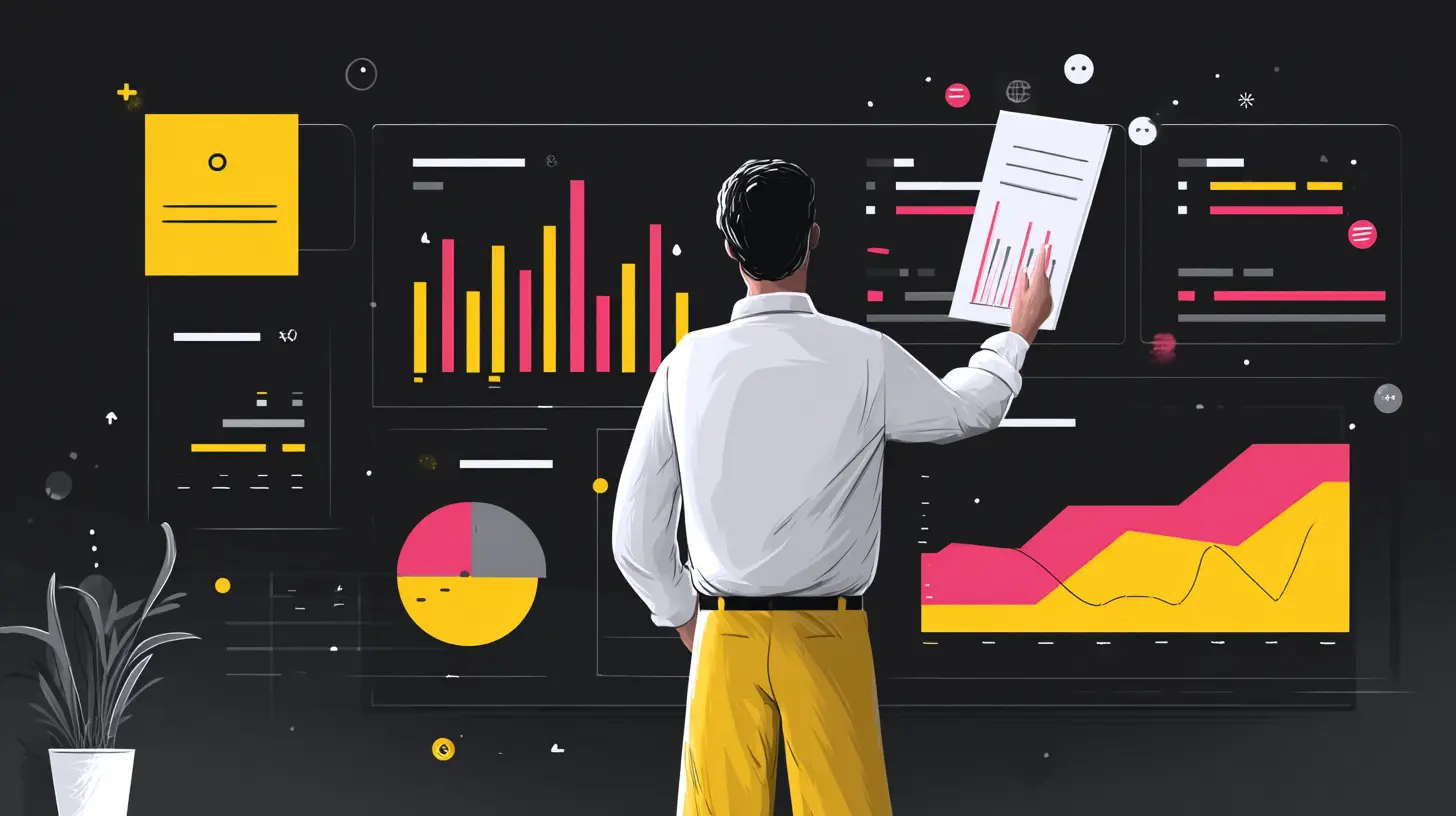
Why 2026 is the Year of the Data-Driven Brand
Remember when "data-driven" was a buzzword people threw around at conferences? It's not anymore. In 2026, if you're not using data to guide your brand, you're basically flying blind in a fog. Customers have gotten savvier. They know when you're faking it. They can smell a generic ad from a mile away.Think of data like a pair of night-vision goggles. Without them, you're stumbling around in the dark, hoping you don't trip over a competitor. With them, you see every move your audience makes-what they click, what they ignore, what makes them laugh, and what makes them rage-quit. The brands that thrive in 2026 are the ones that turn that raw data into a story. A story about who your customer is, not who you think they are.
Here's the thing: data isn't just about numbers. It's about patterns. It's about the weird little quirks that make your audience tick. For example, did you know that people who buy organic peanut butter are 40% more likely to also buy sustainable dog food? That's not a random fact-that's a connection you can use to build a smarter brand strategy.

The Myth of "More Data is Better"
Let me bust a myth right now. More data does not equal better decisions. In fact, too much data can paralyze you. I've seen brands collect every metric under the sun-clicks, impressions, bounce rates, time on page, scroll depth, heat maps-and then do absolutely nothing with it. It's like having a library full of books but never reading a single one.In 2026, the smartest brands focus on signal over noise. They ask one simple question: "What data actually helps us make a decision?" If a metric doesn't point you toward a specific action, cut it loose. For instance, tracking page views is fine, but tracking the number of people who actually share your content? That's gold. That's a signal that your message resonates.
Here's a practical tip: start with a single question you need answered. Maybe it's "Why are people dropping off at the checkout page?" or "What kind of content makes our email list grow?" Then, gather only the data that answers that question. Everything else is just background noise.
How to Use Data Without Killing Your Brand's Soul
I know what you're thinking. "Data feels cold. It feels like it takes the art out of branding." I get it. I've been there. But here's the truth: data doesn't kill creativity-it fuels it. Think of data as your research assistant, not your boss.Let me give you an example. Say you're a skincare brand. Your gut tells you that your customers want anti-aging products. But your data says they're actually searching for "gentle moisturizers for sensitive skin." If you ignore the data, you're selling something nobody wants. If you listen, you can create a product that feels personal and thoughtful.
The key is to use data to find the human story. Look for the emotional triggers. What makes your audience feel seen? What makes them feel understood? In 2026, people don't just buy products-they buy identities. They buy into a brand that gets them. Data helps you get them without being creepy about it.
The Art of Predictive Branding
Here's where things get fun. In 2026, we're not just looking at what happened yesterday. We're looking at what's going to happen tomorrow. Predictive analytics is like having a crystal ball, but without the foggy glass. It uses past behavior to forecast future trends.For example, if your data shows that customers who buy winter coats in November also buy scarves in December, you can bundle them. But predictive branding goes deeper. It can tell you that a certain segment of your audience is likely to churn in three months based on their browsing habits. So you reach out now with a personalized offer, not a desperate "please stay" email later.
Think of it like planting seeds. You don't wait for the plant to die to water it. You water it when you see the first sign of wilting. Predictive data gives you that early warning. It lets you be proactive instead of reactive.
The Danger of Data Silos
Let me tell you a horror story. I once worked with a company that had three different departments-marketing, sales, and customer service-all collecting data on the same customers. But none of them talked to each other. Marketing thought customers loved discounts. Sales thought customers wanted premium features. Customer service thought customers just wanted faster shipping.The result? A mess. The brand message was all over the place. Customers got confused. Trust eroded. In 2026, data silos are the enemy of smart decisions. You need a single source of truth. That means breaking down the walls between departments.
How do you do it? Start with a shared dashboard. Make sure everyone-from the CEO to the intern-can see the same numbers. Then, create a culture of data literacy. Teach your team how to read and interpret data, not just report it. When everyone speaks the same data language, magic happens.
Using Data to Find Your Brand's Voice
Your brand voice is your personality. It's how you talk to your customers. And in 2026, data can help you refine that voice without losing authenticity.Here's a trick: analyze the language your customers use in reviews, comments, and social media posts. What words do they use? What tone do they respond to? If your audience loves sarcasm, don't be boring. If they prefer warmth and empathy, don't be snarky.
I once worked with a fitness brand that thought their voice should be tough and motivational. But their data showed that their customers responded better to supportive, gentle language. Words like "you got this" outperformed "no pain, no gain" by a mile. They switched their tone, and engagement skyrocketed.
The takeaway? Your brand voice isn't set in stone. It's a living thing that evolves based on what your audience tells you. Data just helps you listen better.
The Role of Real-Time Data in 2026
Speed matters. In 2026, customers expect brands to react in real time. If there's a trending topic, they want to see your take. If there's a customer complaint, they want an instant response. Real-time data makes that possible.Think of it like a live concert. The band doesn't play a pre-recorded setlist-they read the crowd. If the audience is hyped, they play the bangers. If the crowd is mellow, they slow it down. Your brand should do the same. Use real-time data to adjust your messaging on the fly.
For example, if your analytics show a sudden spike in traffic from a specific region, create a localized offer. If a certain product is trending on social media, push it to the top of your homepage. Real-time data lets you ride the wave instead of getting wiped out by it.
How to Avoid the "Creepy" Factor
Let's address the elephant in the room. Data can feel invasive. Nobody likes a brand that knows too much. In 2026, consumers are hyper-aware of privacy. They want personalization, but not at the cost of their comfort.The trick is to use data transparently. Tell your customers why you're collecting their data and how it benefits them. For example, "We use your purchase history to recommend products you'll love, not to spam you with irrelevant ads." That builds trust.
Also, avoid over-personalization. If you send an email that says, "Hey Sarah, we noticed you looked at a red dress three times. Want to buy it?" That feels stalkerish. Instead, say, "Sarah, we think you might like our new collection of red dresses." Subtle difference, huge impact.
The Power of Zero-Party Data
In 2026, one type of data is king: zero-party data. That's data your customers willingly share with you. It's gold because it's voluntary and accurate. Think quizzes, surveys, and preference centers.Why does this matter? Because it's ethical. It doesn't rely on tracking cookies or shady tactics. When a customer tells you their favorite color or their biggest pain point, they're handing you a blueprint for a better brand experience.
For instance, a coffee brand I admire asks new subscribers, "How do you take your coffee? Black, with milk, or with sugar?" Then, they send recipes tailored to that preference. Simple, but brilliant. That's zero-party data in action.
Measuring What Actually Matters in 2026
Let's talk metrics. In 2026, vanity metrics are dead. Nobody cares about a million views if nobody buys anything. What matters are metrics that tie directly to business outcomes.Here's my shortlist for smart brand decisions:
- Customer Lifetime Value (CLV): How much is a customer worth over time?
- Net Promoter Score (NPS): Would your customers recommend you?
- Engagement Rate: Are people interacting with your content, or just scrolling past?
- Conversion Rate: Are you turning interest into action?
- Churn Rate: How many customers are leaving, and why?
Track these, and you'll have a clear picture of your brand's health. Everything else is just decoration.
The Human Element: Why Data Needs a Storyteller
Here's the final piece. Data is just raw material. It's like clay on a potter's wheel. Without a human hand, it's just a lump. You need a storyteller to shape it into something meaningful.I've seen brands with incredible data but boring stories. They say things like "Our product has 95% satisfaction." That's a fact, not a story. A story would be: "We listened to 10,000 customers and fixed the one thing they hated. Now, 95% of them say they'd never switch."
The difference is emotion. Data gives you the facts. You give it the soul. In 2026, the brands that win are the ones that combine analytical rigor with creative flair. They use data to find the truth, then tell it in a way that makes people feel something.
Conclusion: Your Data, Your Future
So, where do you start? Don't try to boil the ocean. Pick one area of your brand-maybe your email marketing or your product recommendations-and use data to make it smarter. Test, learn, and iterate. Data isn't a one-time thing; it's a continuous conversation.In 2026, the brands that survive are the ones that adapt. And the ones that thrive are the ones that use data to get closer to their customers. Not to manipulate them, but to serve them better. Because at the end of the day, data is just a tool. The real magic happens when you use it to build connections that last.
Now, go make some smart decisions. Your data is waiting.
all images in this post were generated using AI tools
Category:
Brand DevelopmentAuthor:

Ian Stone
Discussion
rate this article
1 comments
Galina Mullen
Great insights! Leveraging data is essential for making informed brand choices in 2026.
May 13, 2026 at 2:30 AM